
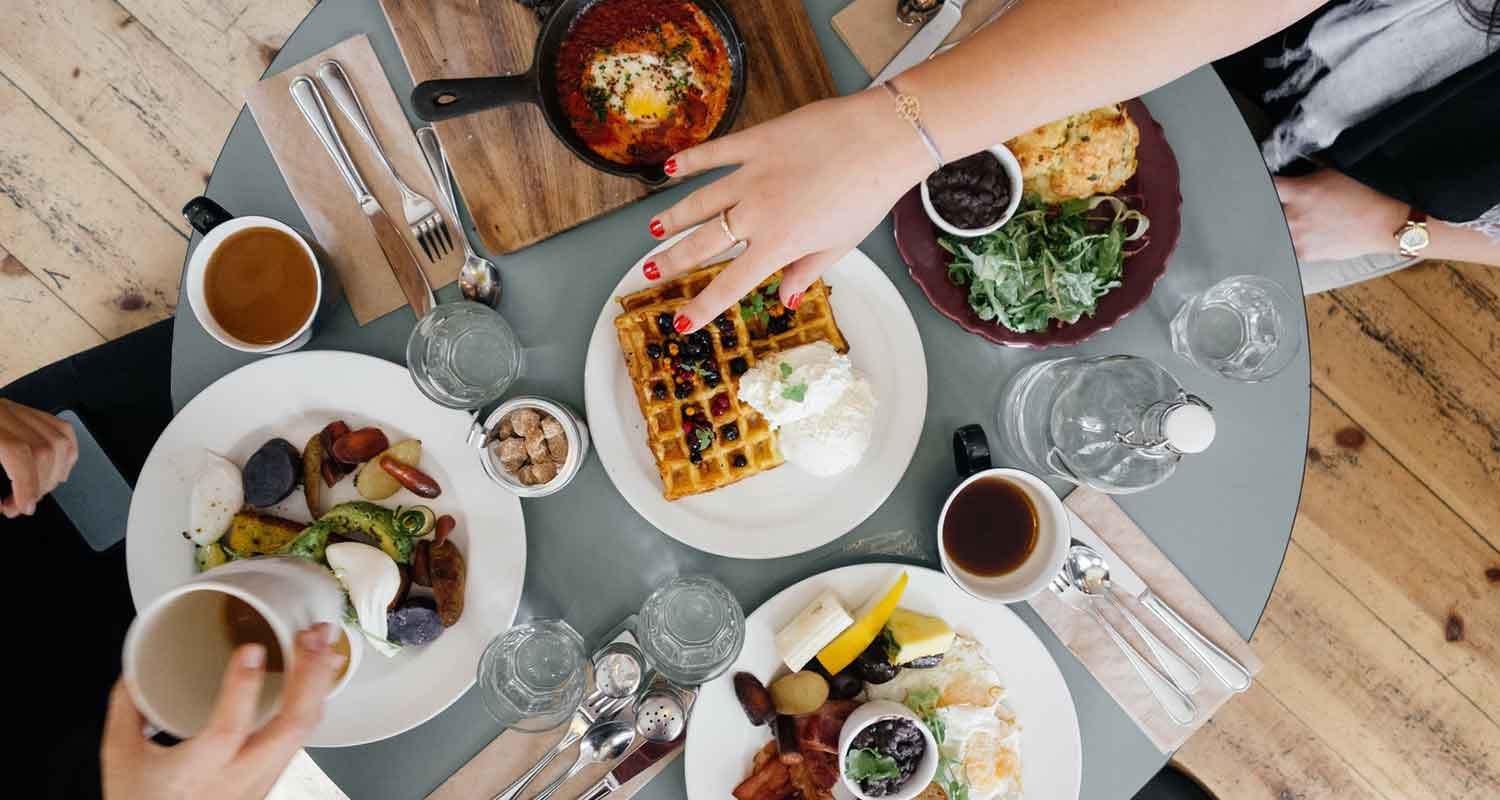
Exploring the World of Culinary Delights: A Delicious Journey Around the Globe
Food has a special way of bringing people together. It can turn an ordinary evening into a memorable one, remind us of home, introduce us to a new culture, or simply make us smile after a long day. We all have that one dish that instantly feels comforting—a meal prepared by our mother, a favorite street food enjoyed with friends, or a dessert we look forward to during festivals.
But food is much more than something we eat when we are hungry. It is a story. It carries the traditions, history, creativity, and emotions of the people who prepare it. Exploring the world of culinary delights is like taking a journey around the world without necessarily buying a plane ticket. Every cuisine has its own personality, and every dish has something interesting to tell us.
From the colorful streets of India to the cozy cafés of Italy, the bustling food markets of Thailand, and the elegant kitchens of France, the culinary world is full of flavors waiting to be discovered. So, grab your imaginary passport and join us on a delicious journey through the world of food.
Food: More Than Just a Meal
Think about your favorite food for a moment. Maybe it is a bowl of steaming noodles, a plate of biryani, a cheesy pizza, a warm bowl of soup, or a simple homemade dal and rice. Chances are, your favorite food is connected to more than just its taste.
Food often carries memories.
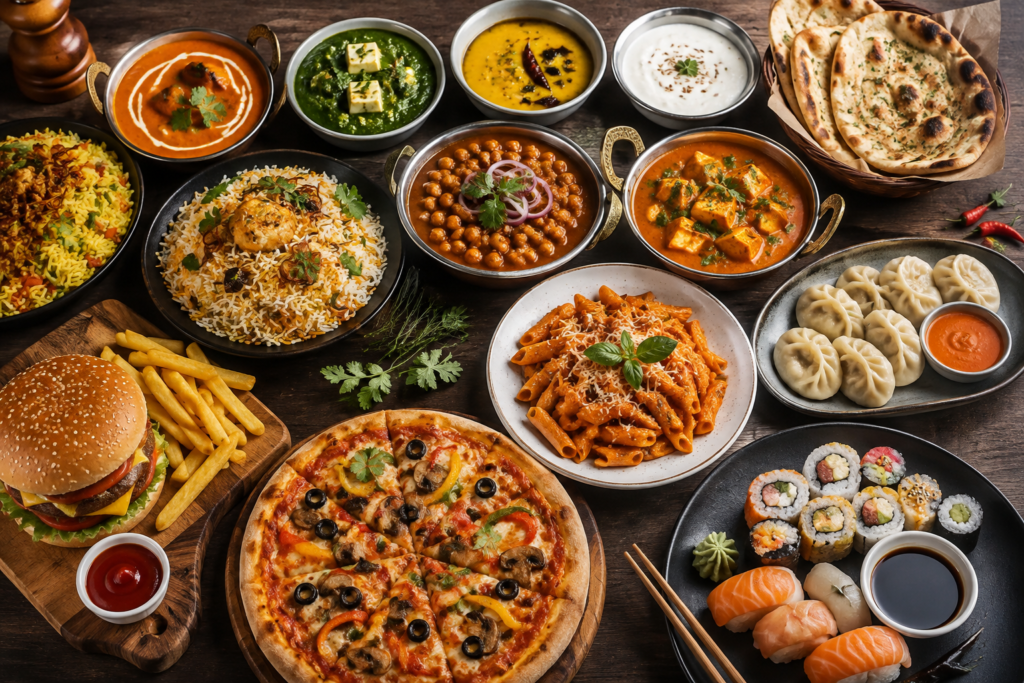
A particular smell coming from the kitchen might remind you of childhood. A dessert might take you back to a family celebration. A street-food snack might remind you of evenings spent with friends. This emotional connection is one of the most beautiful things about food.Food often carries memories.
Meals also bring people together. Families gather around dining tables, friends meet at cafés, and communities celebrate festivals with traditional dishes. Even when people speak different languages or come from completely different backgrounds, sharing food can create a sense of connection.
That is why culinary exploration is not simply about trying new dishes. It is about discovering the stories and experiences behind them.
A Taste of India: Where Every Region Has a Story
India is a dream destination for food lovers because its culinary landscape is incredibly diverse. The food changes dramatically as you travel from one region to another.
In North India, rich gravies, aromatic spices, naan, parathas, kebabs, and biryani are popular. Move toward South India, and you will find dishes such as dosa, idli, vada, sambar, rasam, and coconut-based preparations.
Western India has its own delicious treasures, including pav bhaji, dhokla, poha, and Gujarati thali. Eastern India is famous for dishes such as macher jhol, litti chokha in parts of the region, and an impressive variety of sweets.
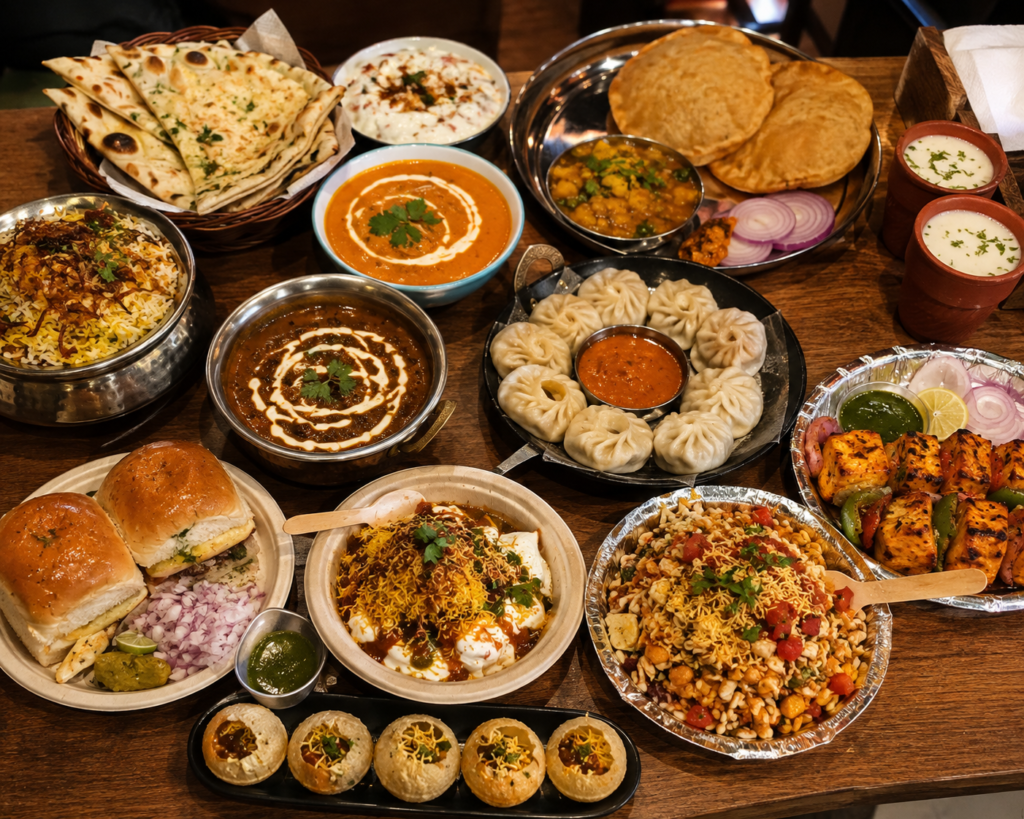
And then there are India’s countless street foods.
Pani puri, samosa, chole bhature, momos, aloo tikki, rolls, and chaats have become favorites for millions of people. The best part about Indian street food is that it often combines simple ingredients with bold flavors. A few spices, chutneys, vegetables, or fried ingredients can create something incredibly satisfying.
Indian cuisine also shows how food is connected to festivals and traditions. From sweets prepared during celebrations to special family recipes passed down through generations, food plays an important role in Indian life.
Italy: The Art of Keeping Food Simple
Italian cuisine is a great example of how simple ingredients can create unforgettable food.
Think of a fresh pizza with a crisp base, tomato sauce, cheese, and herbs. Or a bowl of pasta tossed with a flavorful sauce. These dishes may not always require dozens of ingredients, but their charm comes from balance, freshness, and careful preparation.
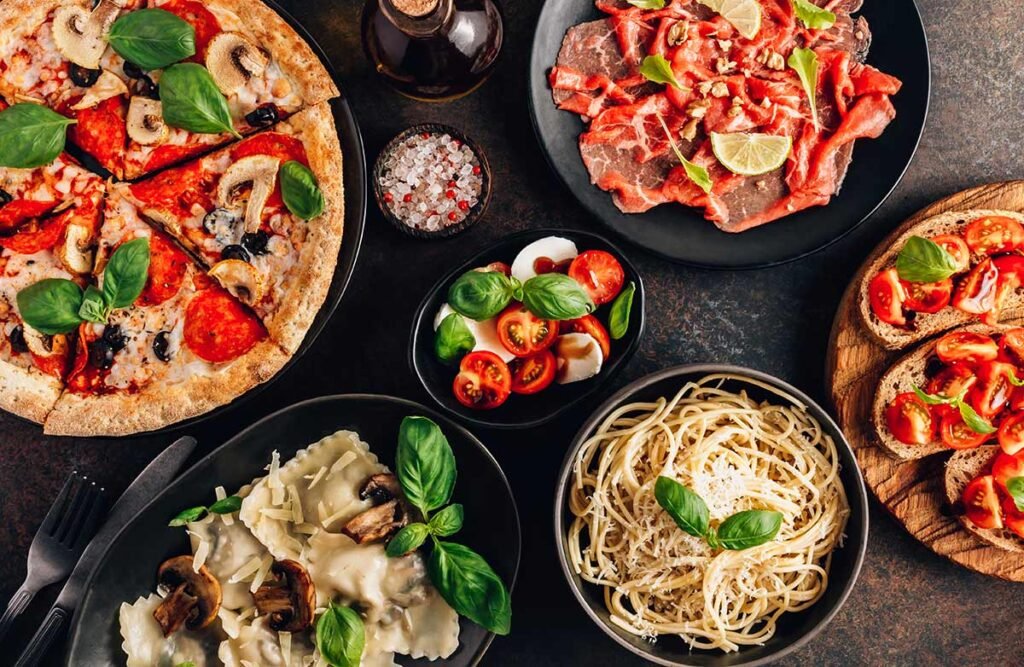
Italian food is also strongly connected to family and togetherness. Meals are often seen as opportunities to slow down and spend time with loved ones.
Pasta alone has countless varieties and shapes, each paired with different sauces and ingredients. Pizza also comes in endless styles, from traditional preparations to modern interpretations.
One of the biggest lessons from Italian cuisine is that food does not have to be complicated to be delicious. Sometimes, quality ingredients, patience, and a little creativity are all you need.
Japan: Where Food Meets Art
Japanese cuisine offers a completely different experience. Presentation, balance, freshness, and seasonality are extremely important.
Sushi is perhaps the most internationally recognized Japanese food, but Japanese cuisine goes far beyond sushi. Ramen, tempura, udon, soba, miso soup, and countless regional specialties offer a wide range of flavors and textures.
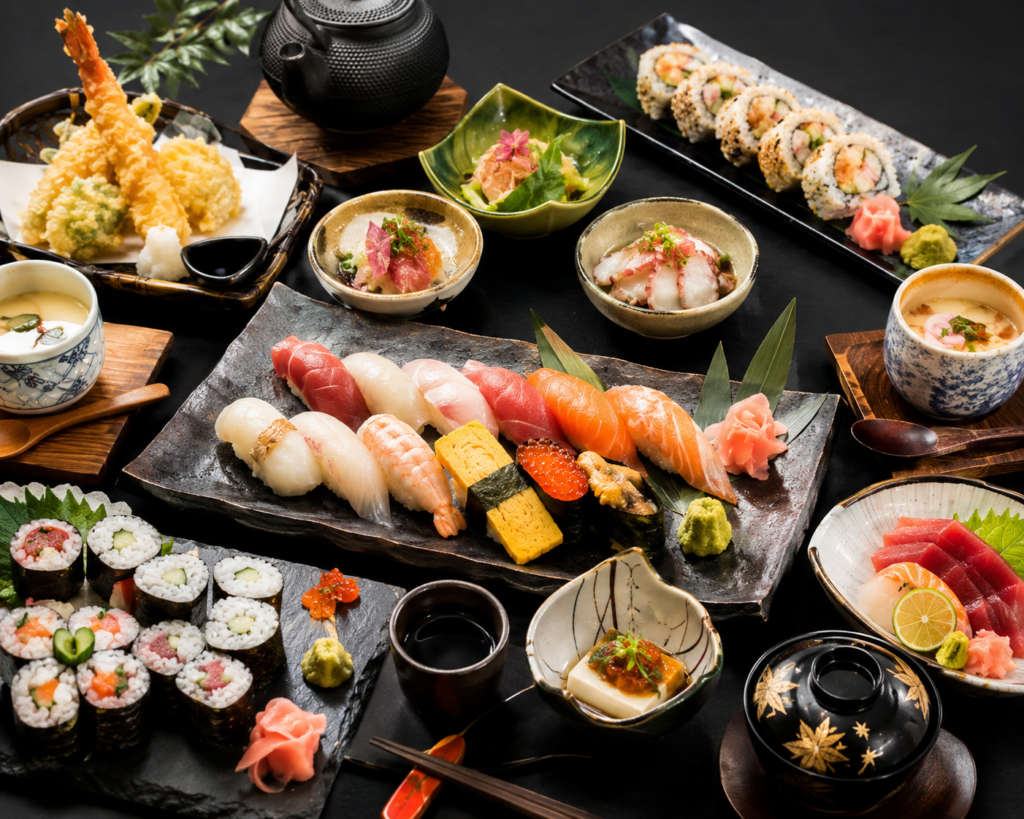
What makes Japanese food especially fascinating is its attention to detail. The way ingredients are cut, arranged, and served can be just as important as their taste.
A Japanese meal can feel almost artistic. Colors are carefully balanced, dishes are arranged beautifully, and seasonal ingredients are celebrated.
It reminds us that eating can involve all our senses—not just taste.
Mexico: A Celebration of Bold Flavors
Mexican cuisine is full of energy. Bright colors, fresh ingredients, herbs, spices, corn, beans, chilies, and sauces come together to create incredibly flavorful dishes.
Tacos are probably the first thing many people think of when Mexican food comes up. But there is so much more to explore, including enchiladas, tamales, quesadillas, guacamole, salsas, and many regional specialties.
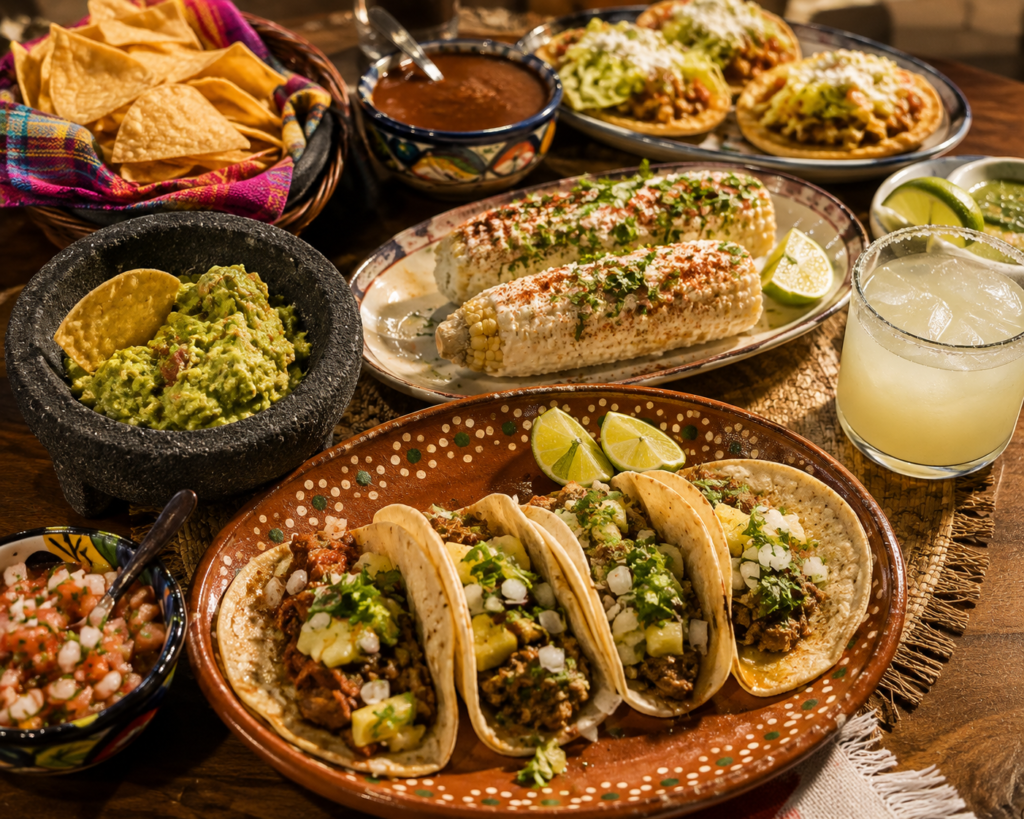
Mexican cuisine also has a strong connection with history and tradition. Many recipes have been influenced by generations of cooking and local ingredients.
What makes Mexican food so enjoyable is its ability to combine different flavors in one bite. Something can be spicy, tangy, creamy, crunchy, and fresh at the same time.
For anyone who loves exciting flavors, Mexican cuisine is definitely worth exploring.
Thailand: A Perfect Balance of Flavors
Thai food is another fascinating culinary experience. One bite can bring together sweet, sour, salty, spicy, and savory flavors.
Popular dishes such as pad Thai, green curry, tom yum, and mango sticky rice have gained fans around the world. Fresh herbs, coconut milk, chilies, lime, vegetables, and aromatic spices play important roles in Thai cooking.
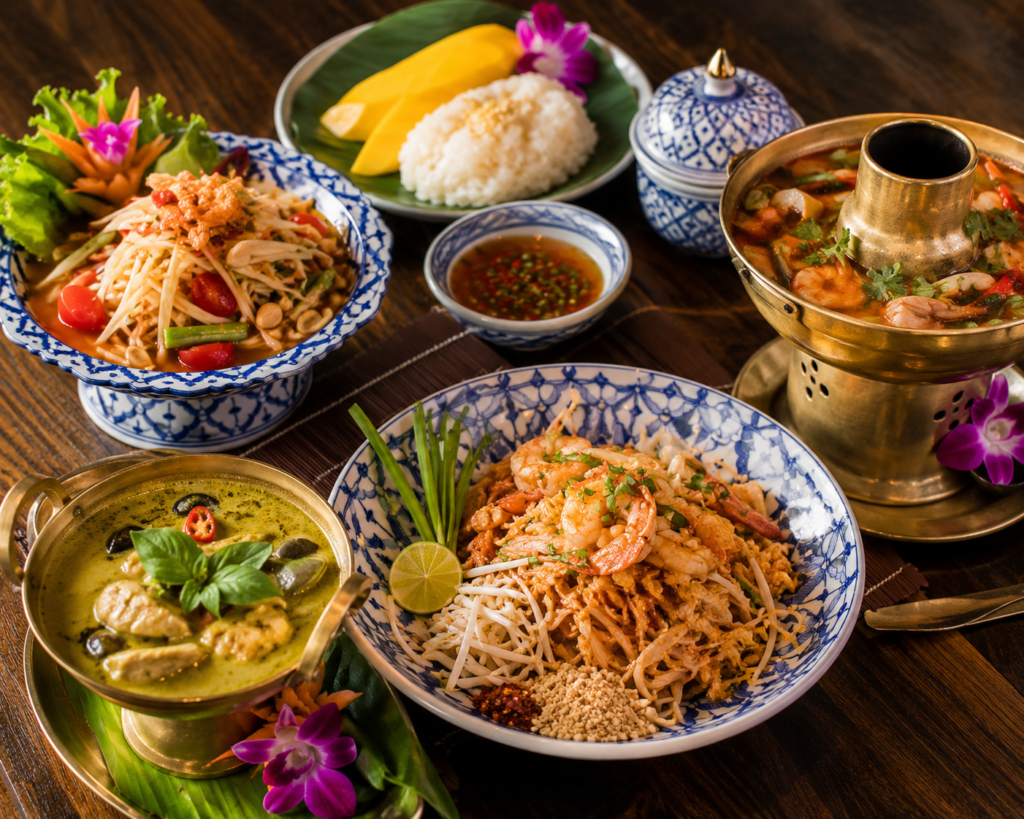
Thai cuisine demonstrates how contrasting flavors can work together beautifully. A spicy dish might be balanced by something sweet or refreshing, creating a satisfying overall experience.
It is a reminder that great cooking is often about balance rather than simply adding more ingredients.
France: Where Cooking Becomes an Experience
French cuisine is often associated with elegance, technique, and attention to detail. It has had a major influence on professional cooking around the world.
French cooking includes everything from rustic home-style dishes to sophisticated restaurant creations. Bread, cheese, pastries, soups, sauces, and desserts are all important parts of the culinary tradition.
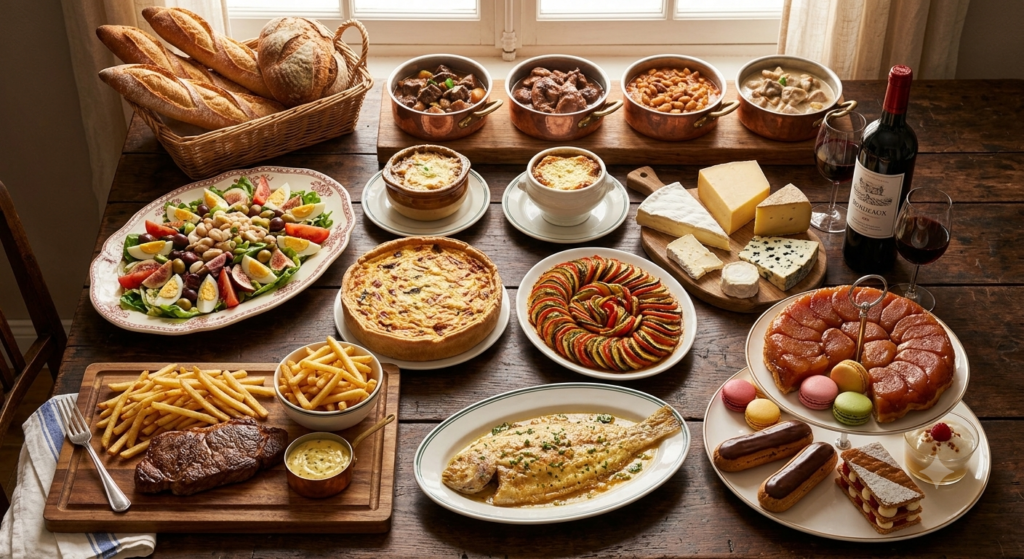
French bakeries are especially famous for their beautiful pastries and breads. Croissants, baguettes, tarts, and other baked treats have become loved far beyond France.
French cuisine also teaches us to appreciate patience. Many dishes depend on careful preparation rather than rushing through the cooking process.
The Magic of Street Food
If you really want to understand a place, sometimes you need to step away from fancy restaurants and explore its streets.
Street food is often the heart of a city’s food culture. It is affordable, accessible, and deeply connected to everyday life.
From Indian chaats and Chinese-style noodles to Mexican tacos and Middle Eastern wraps, street food tells us what local people actually enjoy eating.
Street vendors often develop their own cooking styles over years of experience. A small food cart can sometimes have a loyal following because people love a particular recipe or flavor.
Street food also has a social side. People stand around stalls, chat with friends, watch their food being prepared, and enjoy a quick meal together. It feels informal and authentic.
Of course, when exploring street food, it is important to choose clean and hygienic places and make sensible food choices.
The Growing World of Fusion Food
Food is constantly changing, and one of the most interesting trends is fusion cuisine.
Fusion food combines elements from different culinary traditions. Imagine Indian spices in an Italian pasta, Mexican flavors in a pizza, or Asian-inspired sauces in a modern burger.
Sometimes these combinations work surprisingly well.
Fusion cooking reflects how connected the world has become. People travel, cultures interact, and chefs experiment with ingredients from different places.
However, good fusion food is not simply about mixing random ingredients. It requires understanding the original cuisines and finding flavors that complement one another.
When done thoughtfully, fusion cooking can create something completely new while still respecting traditional influences.
Food and Social Media
Today, food exploration has become easier than ever because of technology and social media.
A few years ago, discovering an unfamiliar dish might have required a restaurant visit or a cookbook. Now, you can watch cooking videos, read food blogs, follow chefs, discover restaurant recommendations, and learn recipes from almost anywhere.
Food photography has also become a major part of online culture. A beautifully presented bowl of pasta or colorful dessert can instantly catch people’s attention.
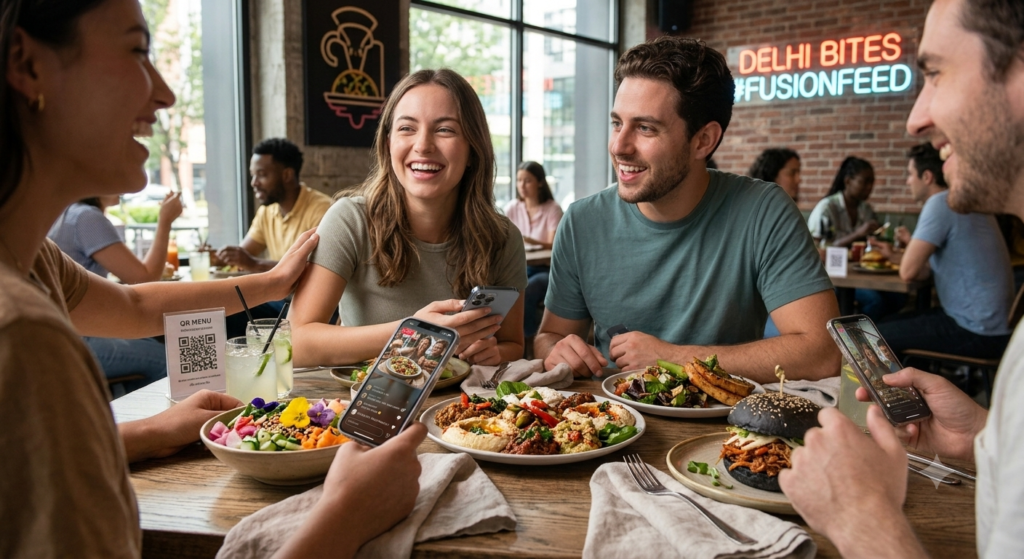
Social media has encouraged people to experiment in their own kitchens too. Many people now try viral recipes, recreate restaurant dishes, and share their own cooking experiences online.
Of course, not every viral food trend becomes a classic. Some disappear after a few weeks, while others become genuinely popular. Either way, technology has made culinary exploration more interactive and accessible.
Cooking at Home: The Most Personal Culinary Adventure
While restaurants and food markets are wonderful places to explore, there is something special about cooking at home.
You control the ingredients, adjust the flavors, experiment with recipes, and make mistakes without worrying about anyone judging you.
And yes, mistakes are part of cooking.
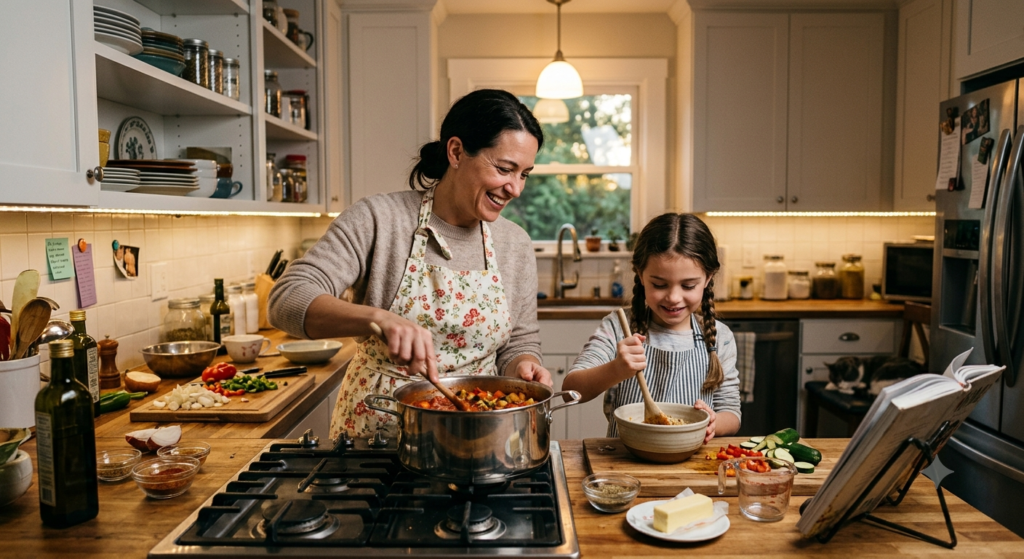
Maybe the first pancake comes out strange. Maybe you accidentally add too much salt. Maybe your beautifully planned recipe looks nothing like the picture. That is completely normal.
Cooking becomes easier with practice. Over time, you learn how ingredients behave and begin to trust your instincts.
The best part is that homemade food does not have to look perfect. Sometimes the slightly messy meal prepared with love tastes better than the perfectly plated dish.
The Importance of Food Presentation
We often hear the phrase, “We eat with our eyes first,” and there is some truth behind it.
Presentation can make food more appealing. Colors, textures, garnishes, serving dishes, and arrangement can completely change the way a meal looks.
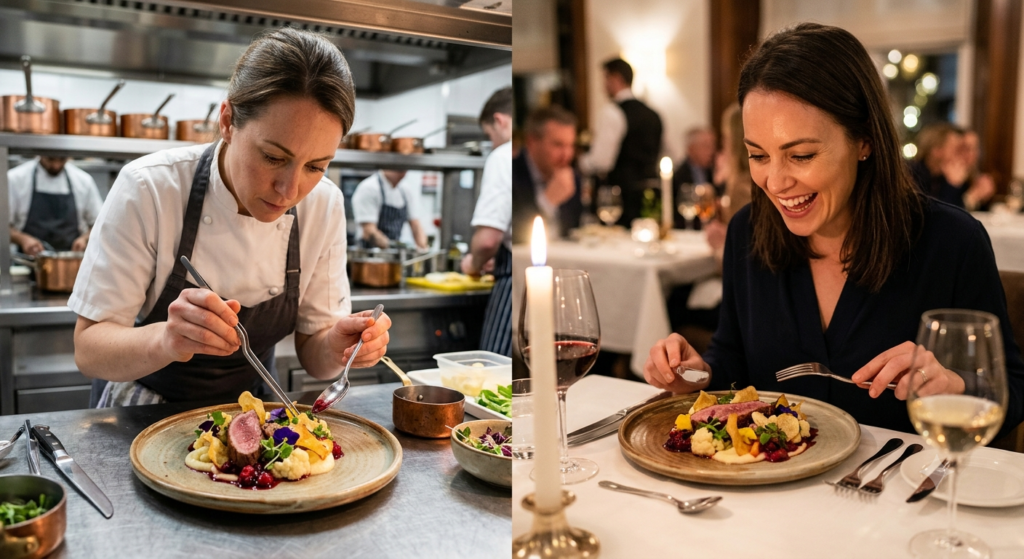
However, beautiful food does not need to be complicated. A colorful salad, neatly arranged pasta, or a bowl of rice topped with fresh herbs can look attractive without requiring professional culinary skills.
Good presentation is really about making food inviting.
Exploring Food Through Travel
Food is one of the best ways to experience a new destination.
When traveling, instead of eating only familiar foods, trying local specialties can make the trip much more memorable.
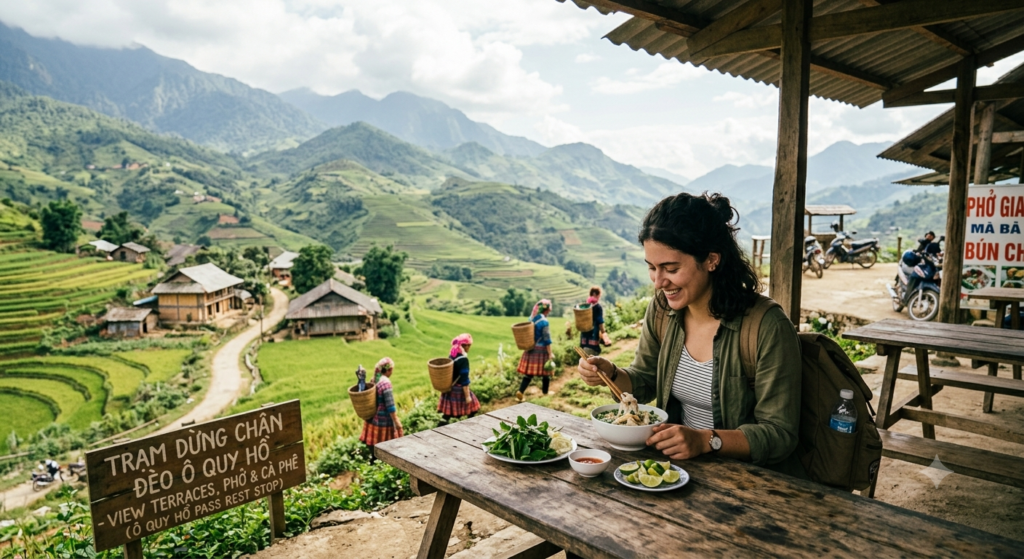
Visit local markets. Ask residents about their favorite dishes. Try traditional snacks. Learn the story behind a recipe. If possible, take a cooking class or visit a local food festival.
Even a simple breakfast at a neighborhood café can become part of your travel memories.
The goal is not to try everything. It is to slow down and experience food as part of the culture.
Sustainable and Responsible Eating
As our interest in food grows, it is also important to think about where our food comes from.
Sustainable eating encourages us to reduce food waste, use ingredients responsibly, and appreciate seasonal and locally available foods when possible.
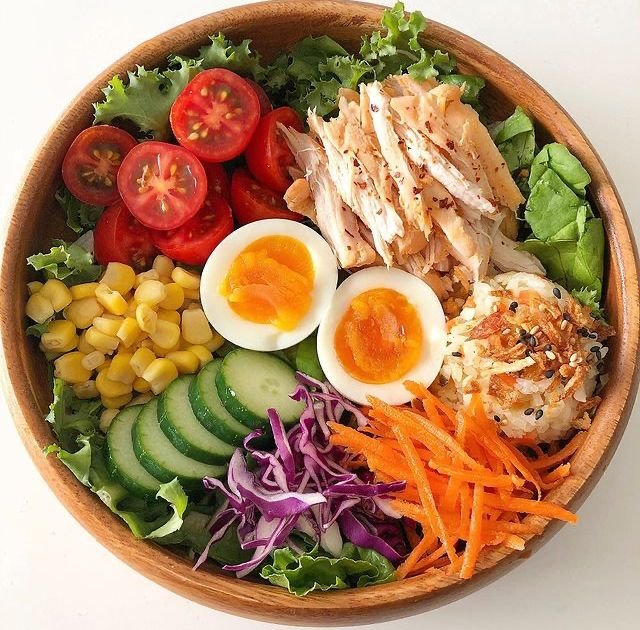
Food waste is a major concern around the world. Simple habits such as planning meals, storing food properly, using leftovers creatively, and avoiding unnecessary waste can make a difference.
Being a food lover is not only about enjoying delicious meals. It is also about respecting the ingredients, people, and resources involved in bringing that meal to our table.
Healthy Food Can Be Delicious Too
There is sometimes a misconception that healthy food must be boring.
It really doesn’t have to be.
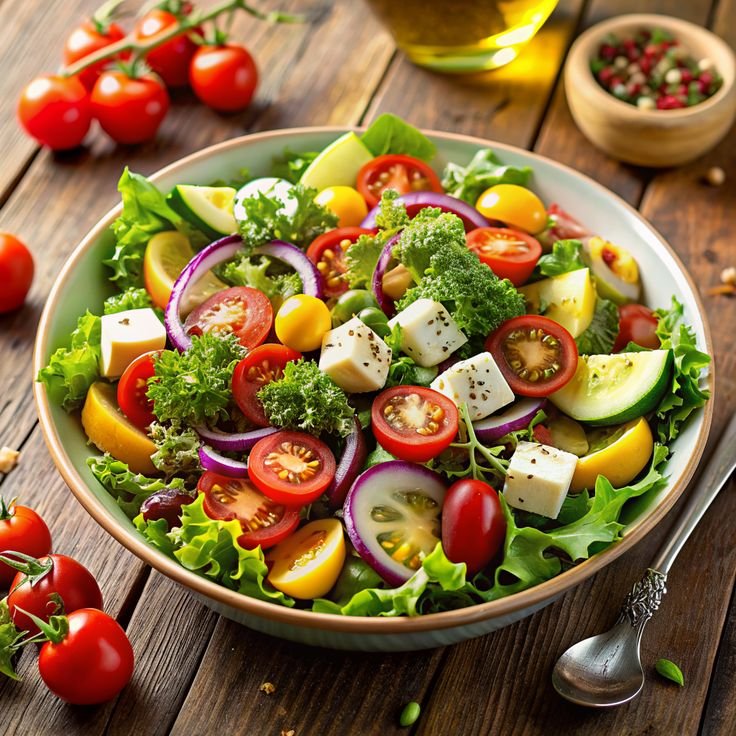
Fresh vegetables, fruits, grains, beans, nuts, yogurt, herbs, and spices can be combined in countless ways. A colorful grain bowl, homemade soup, vegetable pasta, fresh salad, or fruit-based dessert can be both enjoyable and nourishing.
The key is balance.
Food should be something we enjoy, not something we constantly worry about. Exploring different cuisines can actually help us discover new ingredients and healthier ways of preparing familiar dishes.
The Future of Culinary Exploration
The culinary world is constantly evolving. Chefs are experimenting with plant-based ingredients, sustainable cooking, modern techniques, and new combinations of flavors.
At the same time, there is growing interest in traditional cooking. People are rediscovering family recipes, regional ingredients, fermentation techniques, and old-fashioned methods of preparation.
This combination of old and new makes the future of food incredibly exciting.
Technology may change the way food is prepared and experienced, but the basic joy of sharing a meal will probably never disappear.
Final Thoughts: Keep Exploring, One Bite at a Time
Exploring the world of culinary delights is an adventure that never really ends. There will always be another dish to taste, another recipe to learn, another restaurant to discover, or another food tradition to understand.
You don’t need to travel across the world to begin. Start in your own kitchen. Try a recipe from another country. Visit a local food market. Ask your grandparents about an old family recipe. Try a vegetable or spice you have never cooked before.
Most importantly, don’t be afraid to experiment.
Food is not about perfection. It is about experience.
Sometimes the best culinary memories come from the simplest moments—a late-night snack with friends, a family dinner, a cup of tea during a rainy afternoon, or a homemade meal that took longer to prepare than expected but tasted completely worth it.
The world is filled with incredible flavors, and every dish has a story waiting to be discovered.
So, keep your curiosity alive, try something new, appreciate different cultures, and enjoy the journey.
Because the world of culinary delights is not just about what is on your plate—it is about the people, places, memories, and stories that make every bite meaningful.
Leave a Reply