

Pantry: Essential Spices
A kitchen feels incomplete without a collection of aromatic spices. Spices are more than just ingredients that add heat or color—they are what give a dish its character, aroma, depth, and unique taste. Even a simple bowl of vegetables, rice, soup, or dal can become much more flavorful with the right combination of spices.
A well-organized spice pantry makes everyday cooking easier because you always have the basic ingredients needed to create delicious meals. Whether you enjoy Indian cuisine, experiment with international recipes, or simply want to add more flavor to your everyday food, keeping a few essential spices at home is a great place to start.
1. Cumin Seeds (Jeera)
Cumin seeds are one of the most commonly used spices in Indian cooking. They have a warm, earthy, slightly nutty flavor and a wonderful aroma when heated.
Cumin is often used for tempering dals, curries, vegetables, rice dishes, soups, and chutneys. One of the easiest ways to use it is to heat a little oil or ghee and add cumin seeds. Once they begin to sizzle, they release their natural aroma and add a delicious base flavor to the dish.
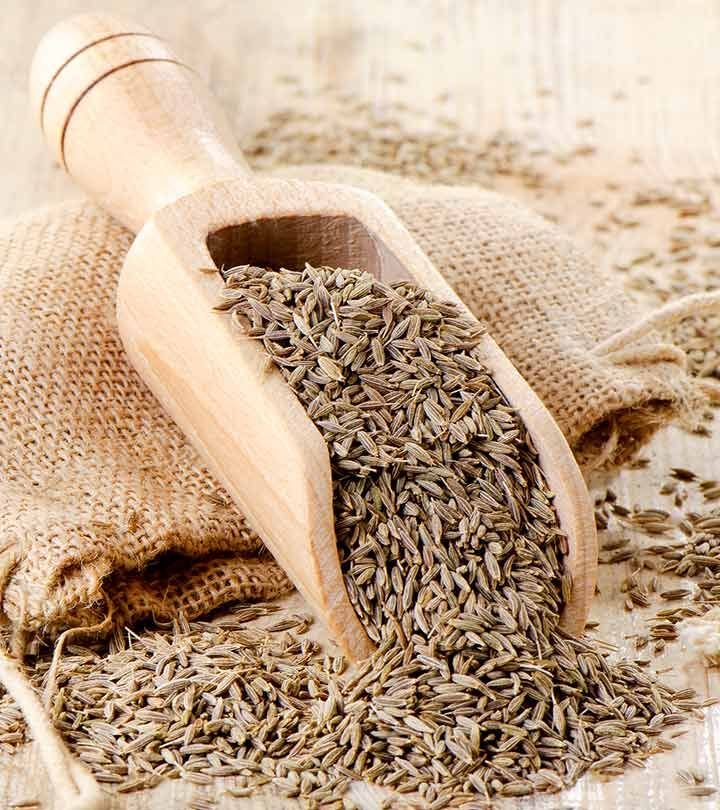
Best for: Dal, jeera rice, curries, vegetables, soups and snacks.
Cooking tip: Lightly roasting cumin seeds before grinding them can make their flavor deeper and more aromatic.
2. Turmeric Powder (Haldi)
Turmeric is famous for its bright golden-yellow color and earthy flavor. It is a staple spice in many Indian kitchens and is used in a wide variety of savory dishes.
A small amount of turmeric can give vegetables, lentils, rice and curries a warm golden appearance. It is usually added along with other powdered spices while cooking.
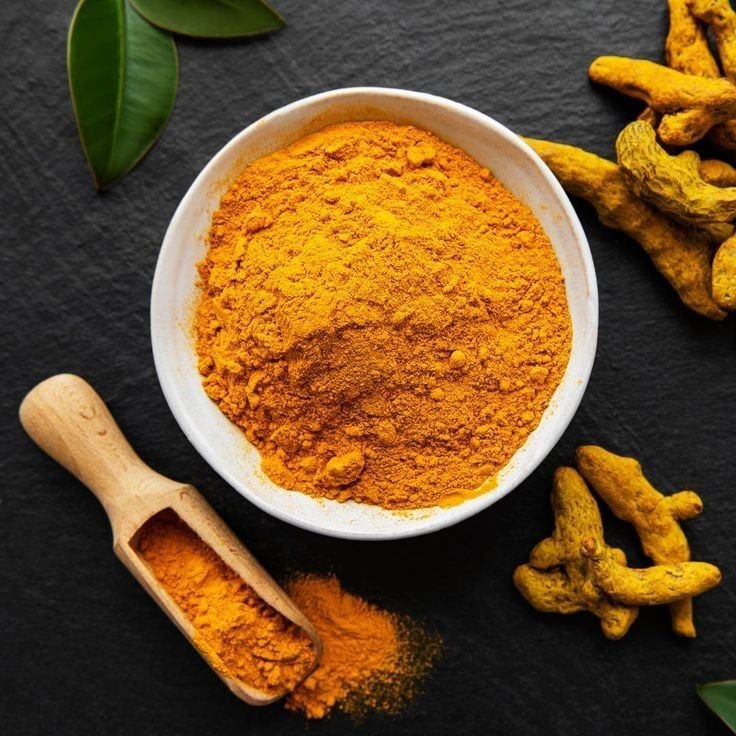
Best for: Dal, curries, vegetables, rice, soups and marinades.
Cooking tip: Use turmeric in moderate amounts because too much can make a dish taste bitter or overly earthy.
3. Red Chilli Powder
Red chilli powder brings heat, color, and boldness to food. The amount needed depends on the type of chilli powder and how spicy you want your dish to be.
For dishes where you want a beautiful red color without making them extremely spicy, a mild chilli powder can be a useful choice.
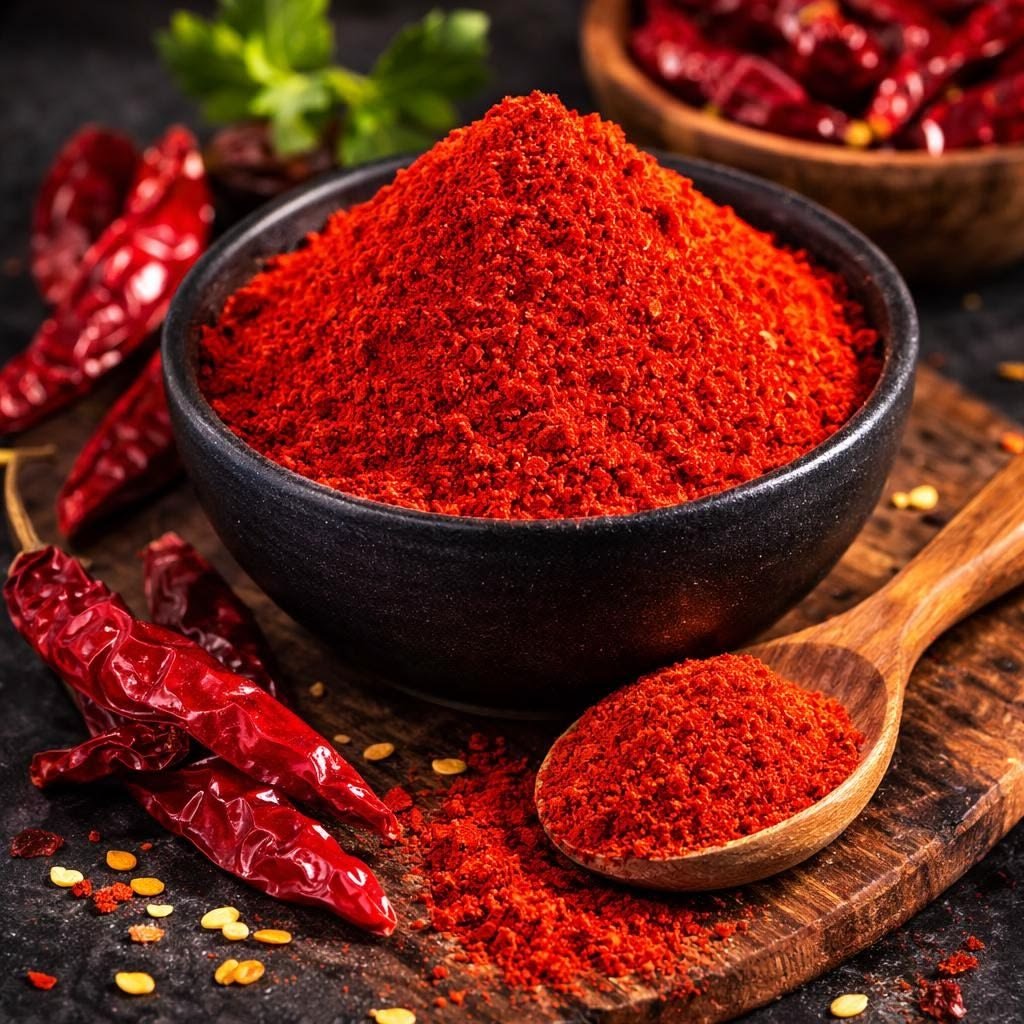
Best for: Curries, vegetables, marinades, sauces, snacks and spice mixes.
Cooking tip: Add chilli powder gradually. You can always increase the spice level, but it is difficult to balance a dish after adding too much.
4. Coriander Powder (Dhaniya Powder)
Coriander powder has a mild, earthy and slightly citrusy flavor. It is an important ingredient in many Indian spice blends and curry recipes.
It works particularly well with cumin, turmeric, chilli powder and garam masala. Together, these spices create a balanced and aromatic base for many dishes.
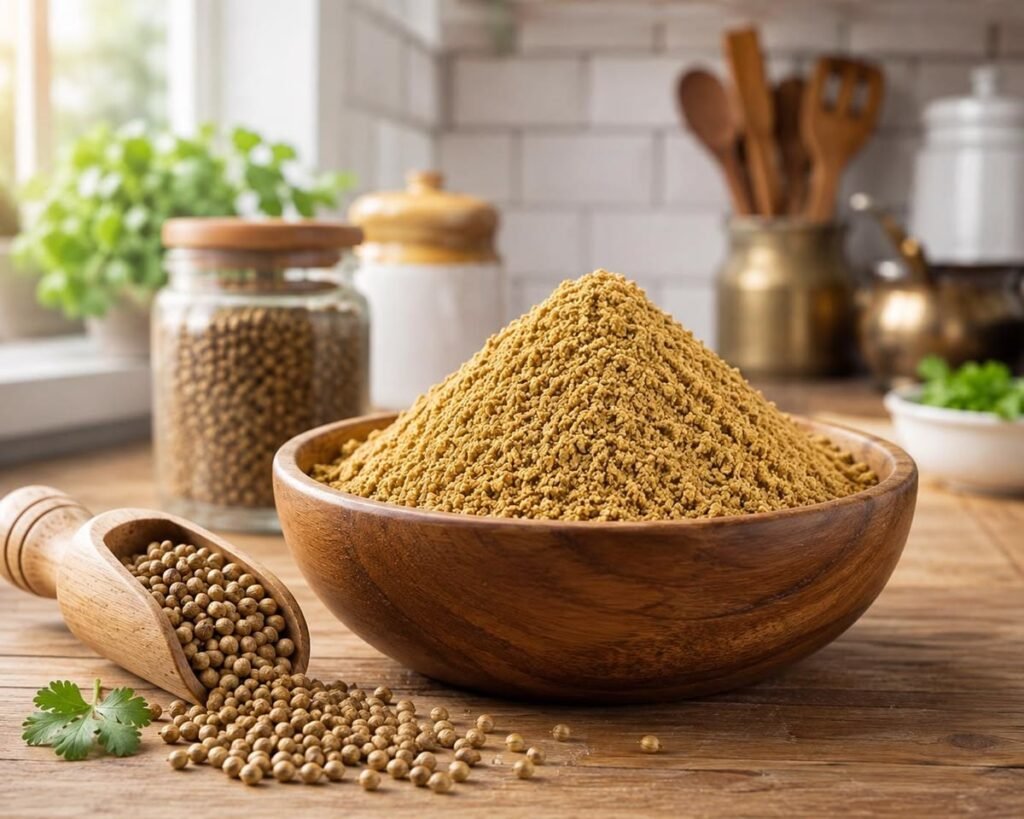
Best for: Vegetable curries, dals, gravies, marinades, soups and rice dishes.
Cooking tip: Cook coriander powder properly with the other ingredients so its raw taste disappears and its aroma develops.
5. Garam Masala
Garam masala is an aromatic blend made from several spices. Depending on the recipe or blend, it may contain ingredients such as cumin, coriander, cardamom, cinnamon, cloves and black pepper.
Unlike spices that form the basic foundation of a dish, garam masala is often used toward the end of cooking to add fragrance and warmth.
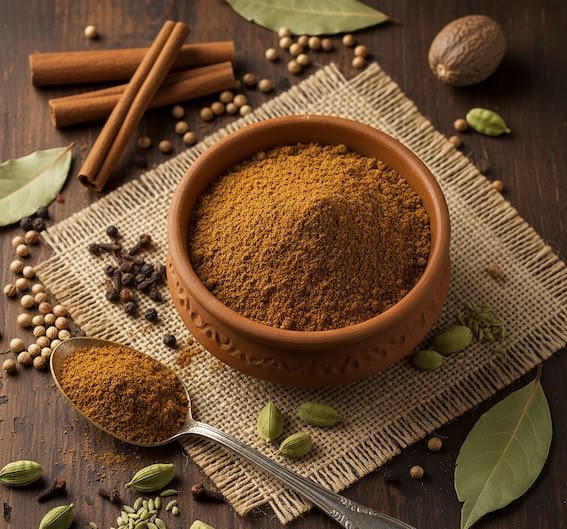
Best for: Curries, paneer dishes, vegetables, rice, soups and snacks.
Cooking tip: Add a small amount at the end and taste before adding more. The aroma can become stronger as the dish rests.
6. Black Pepper
Black pepper has a sharp, warm and slightly spicy flavor. Freshly ground black pepper is especially aromatic and can instantly brighten savory dishes.
It is useful beyond Indian cooking and works beautifully in pasta, soups, roasted vegetables, sandwiches, salads and sauces.
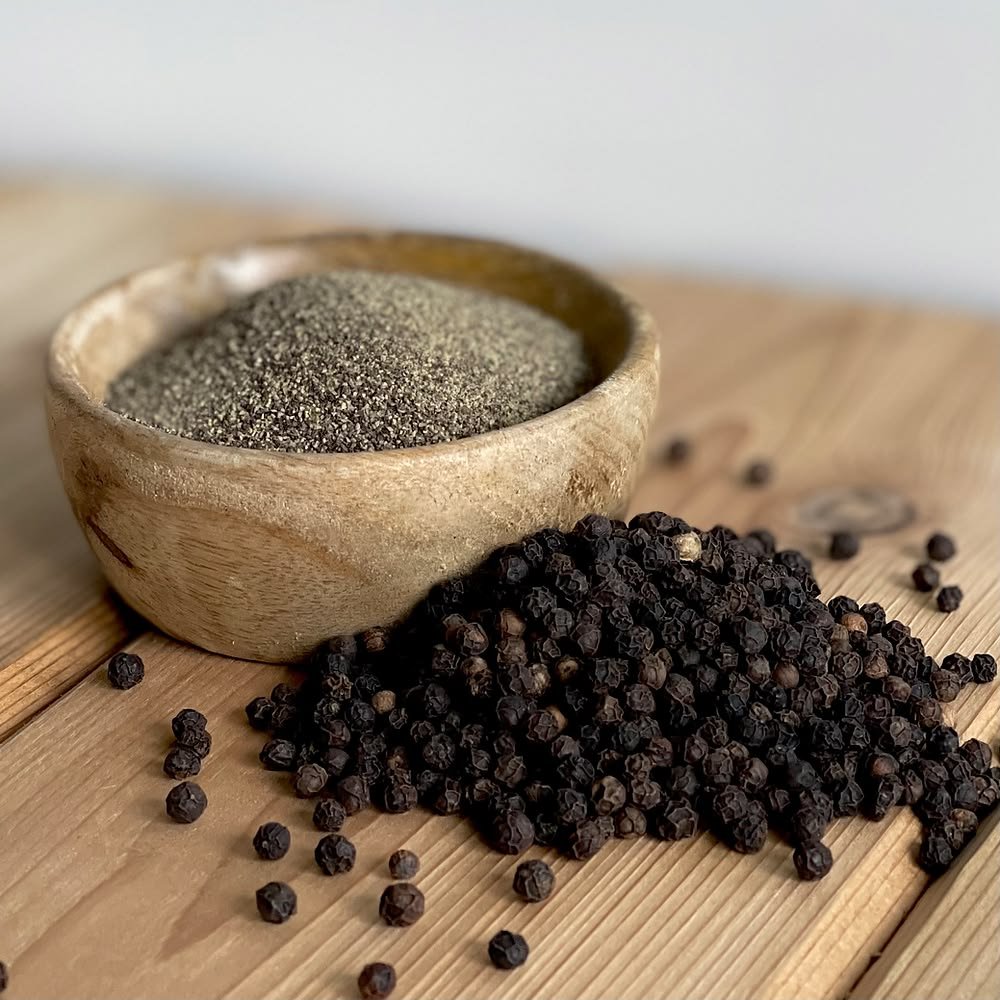
Best for: Soups, salads, pasta, vegetables, sauces and marinades.
Cooking tip: Keep whole peppercorns and grind them when needed for a fresher flavor.
7. Cumin Powder
Roasted cumin powder has a deep, smoky and nutty flavor. It is especially popular in Indian snacks, chaats and cooling dishes.
It can also be sprinkled over raita, salads and certain beverages to add an earthy finishing note.
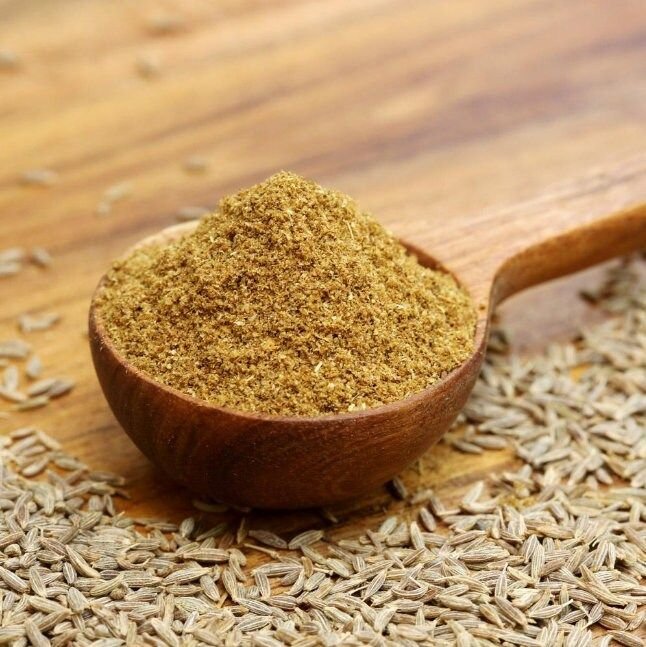
Best for: Raita, chaat, salads, snacks, chutneys and drinks.
Cooking tip: Store roasted cumin powder in an airtight container to preserve its aroma.
8. Mustard Seeds (Rai)
Mustard seeds are small but packed with flavor. When added to hot oil, they begin to crackle and release a nutty, warm and slightly sharp aroma.
They are commonly used for tempering and are particularly popular in many South and West Indian recipes.
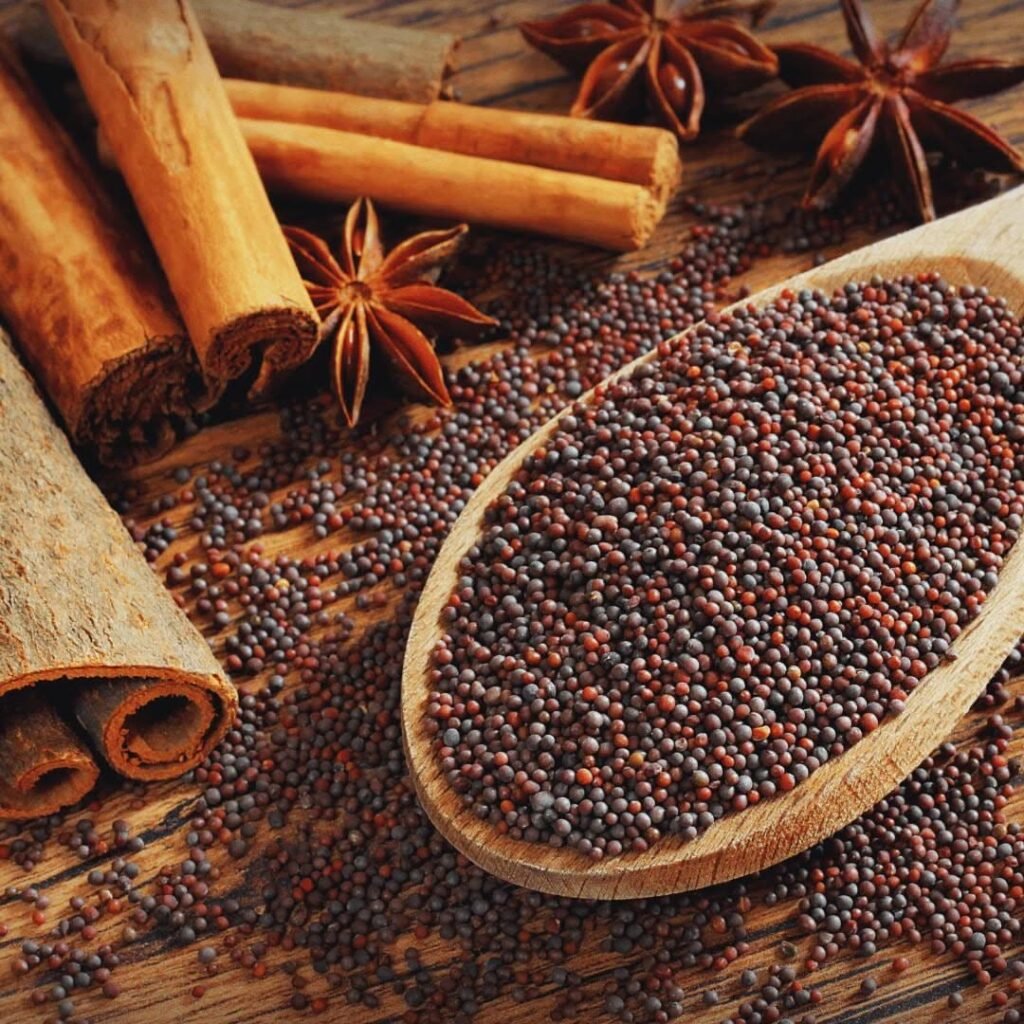
Best for: Vegetable dishes, dals, pickles, chutneys and tempering.
Cooking tip: Always allow the seeds to crackle properly in hot oil before adding other ingredients.
9. Ajwain (Carom Seeds)
Ajwain has a strong and distinctive aroma with a slightly peppery, earthy taste. Because its flavor is powerful, only a small amount is generally needed.
It is commonly used in Indian breads and savory snacks.
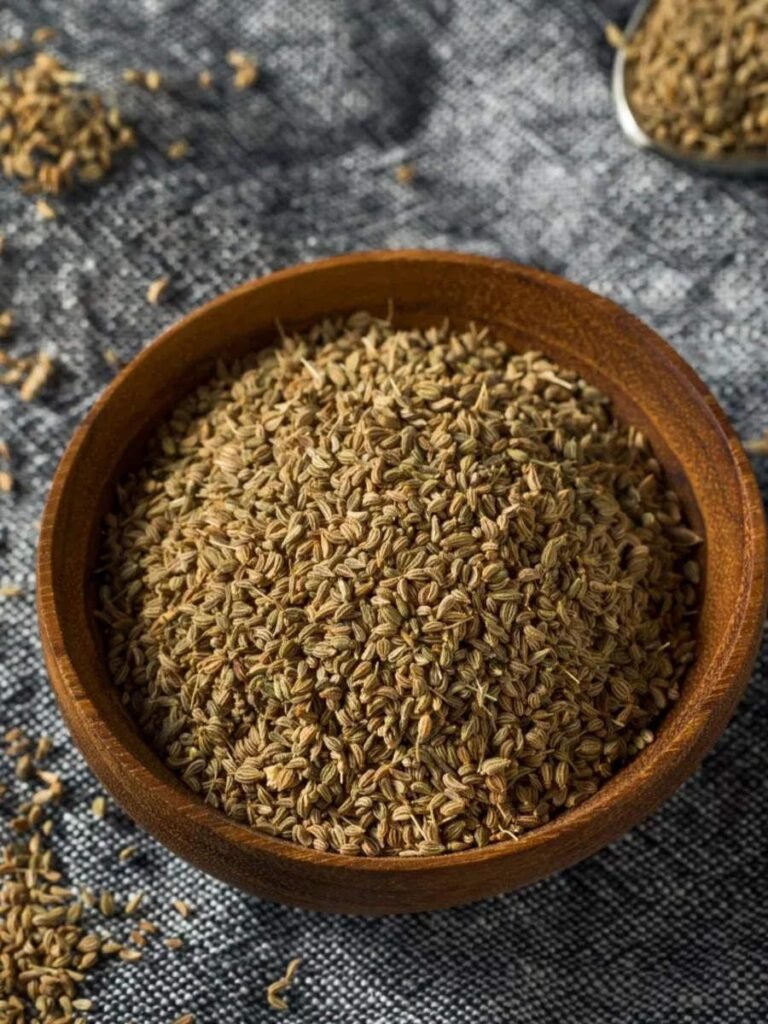
Best for: Parathas, puris, pakoras, savory snacks and some baked dishes.
Cooking tip: Gently crush ajwain between your fingers before adding it to dough to release more aroma.
10. Cardamom (Elaichi)
Cardamom provides a sweet, floral and refreshing fragrance. It is especially popular in desserts and aromatic drinks, but it can also be used in rice dishes and certain savory preparations.
Both green cardamom pods and their seeds can be used depending on the recipe.
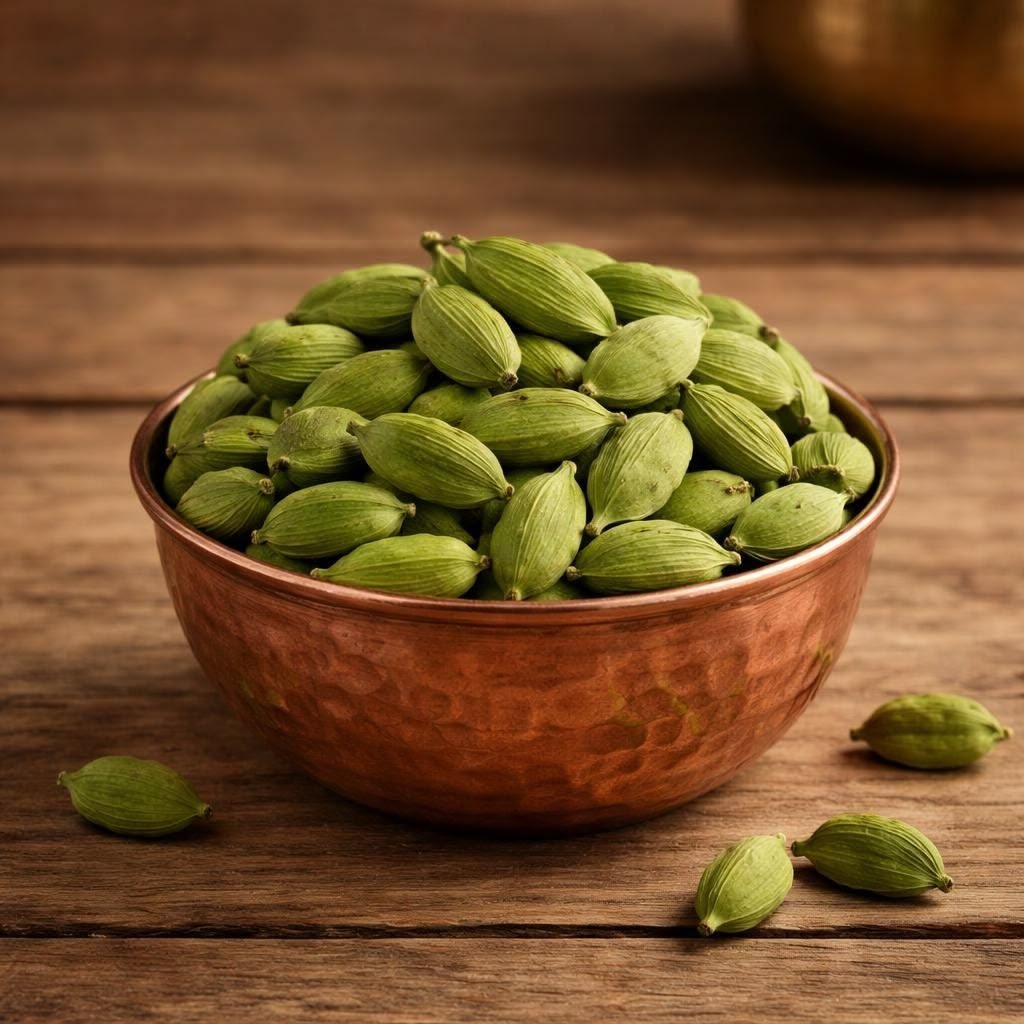
Best for: Tea, desserts, rice dishes, milk-based drinks and festive recipes.
Cooking tip: Lightly crush the pod before adding it to a dish to release its fragrant seeds.
How to Store Your Spices
Good storage is essential because spices gradually lose their aroma when exposed to air, moisture, heat and direct sunlight.
For an organized pantry, transfer loose spices into clean, dry, airtight glass containers. Use simple labels so you can quickly identify each spice while cooking.
Keep your spice jars in a cool and dry cabinet, away from the stove, oven and areas with high moisture. Avoid storing spices where steam from cooking can enter the containers.
Whole spices generally retain their aroma longer than ground spices, so buying smaller quantities and replenishing them when needed can help maintain freshness.
Basic Spice Pantry Checklist
☐ Cumin seeds
☐ Turmeric powder
☐ Red chilli powder
☐ Coriander powder
☐ Garam masala
☐ Black pepper
☐ Cumin powder
☐ Mustard seeds
☐ Ajwain
☐ Cardamom
🌿 Homemade Pantry Spice Recipes
1. Homemade Roasted Cumin Powder
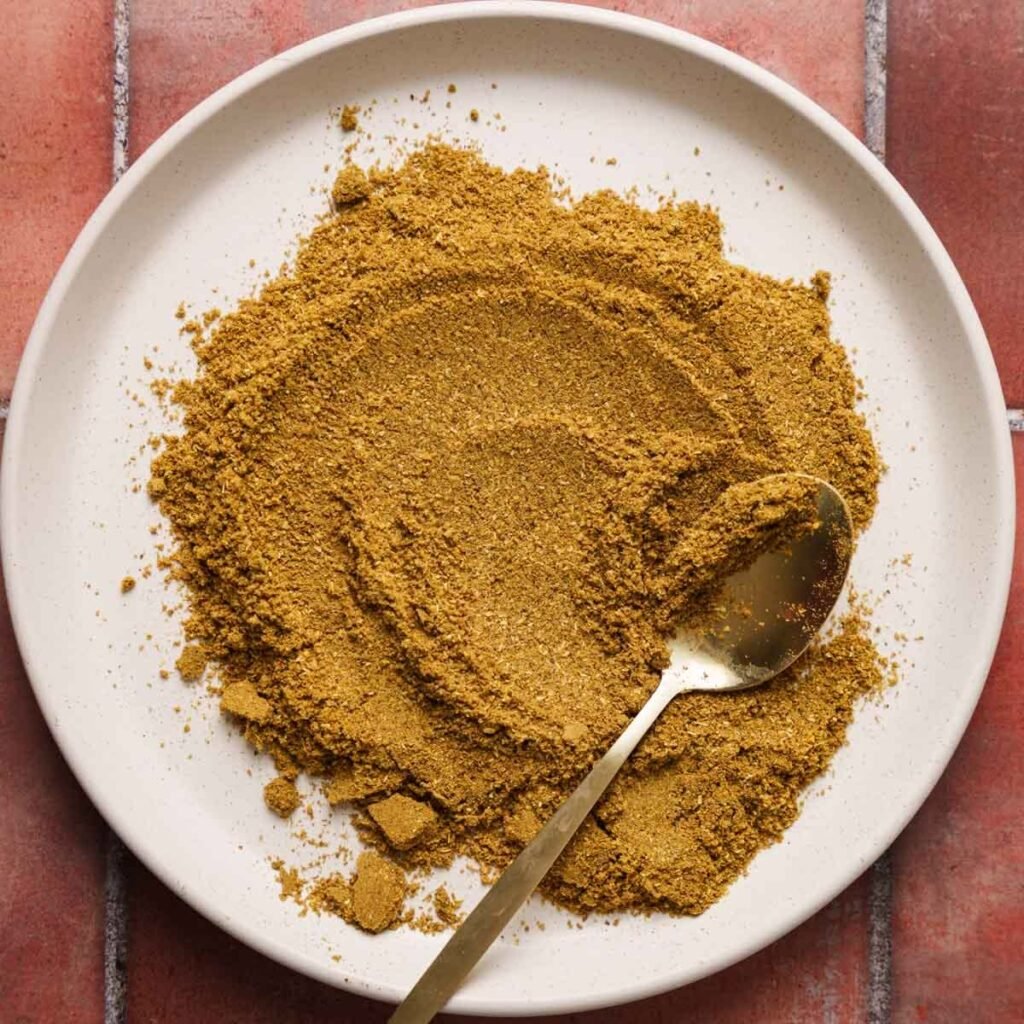
Ingredients
- 1 cup cumin seeds
Method
- Take cumin seeds in a clean, dry pan.
- Dry-roast them on low to medium heat for 3–5 minutes.
- Stir continuously so they roast evenly.
- When they become fragrant and slightly darker, turn off the heat.
- Let them cool completely.
- Grind into a fine or slightly coarse powder.
- Store in an airtight glass jar.
Uses: Raita, chaat, salads, curries, snacks and drinks.
2. Homemade Coriander Powder
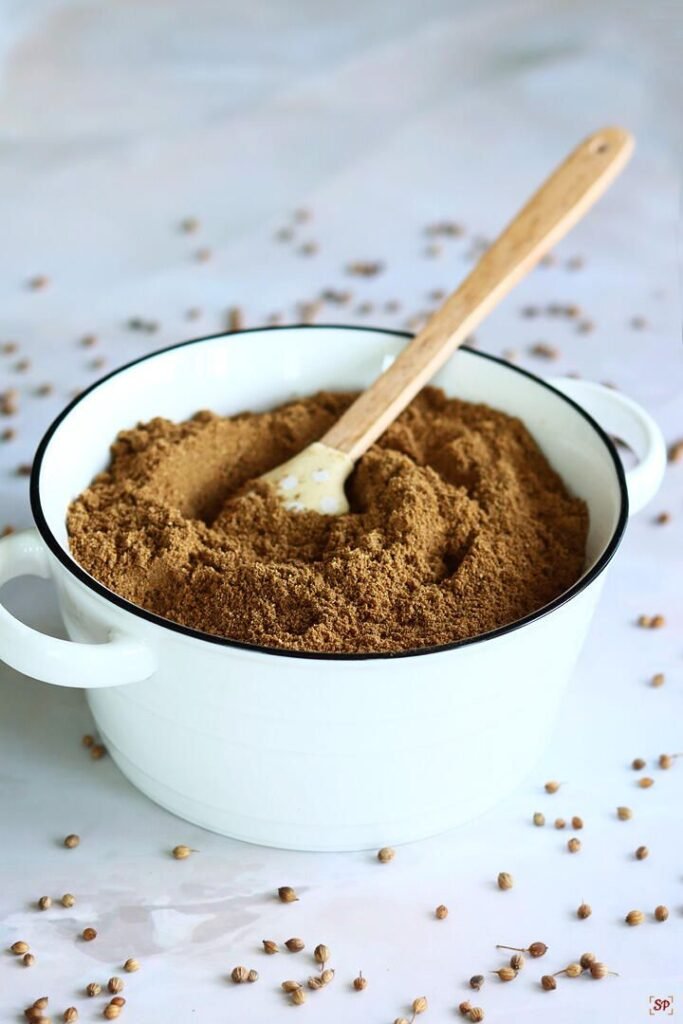
Ingredients
- 1 cup coriander seeds
Method
- Check the seeds and remove any unwanted particles.
- Dry-roast them in a pan over low heat for about 3–4 minutes.
- Stir frequently until aromatic.
- Cool completely.
- Grind into a fine powder.
- Store in an airtight container.
Uses: Curries, dal, vegetables, gravies and marinades.
3. Homemade Garam Masala
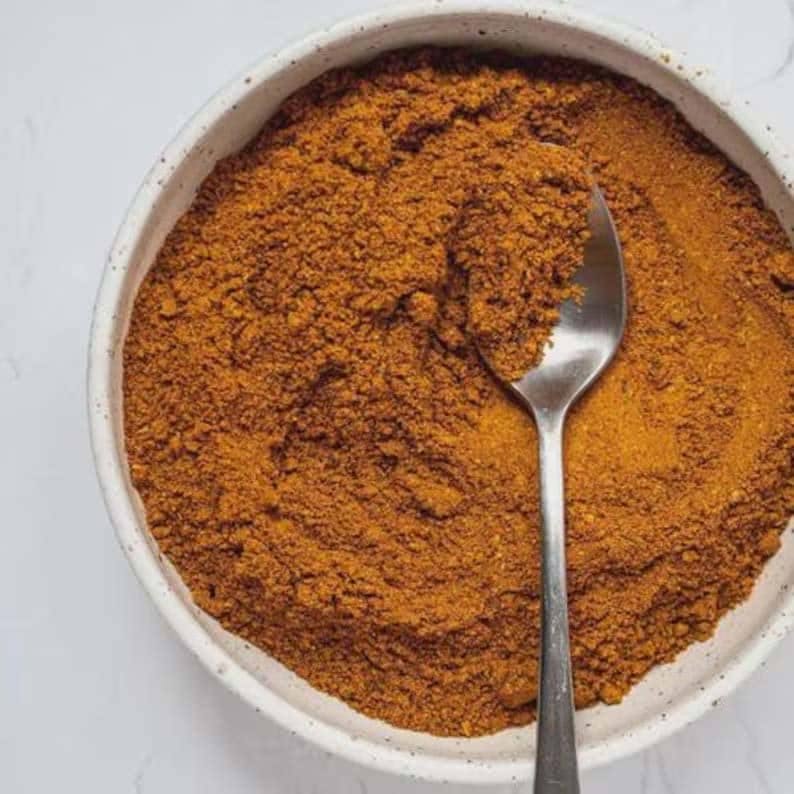
Ingredients
- 2 tbsp coriander seeds
- 1 tbsp cumin seeds
- 4 green cardamom pods
- 1 black cardamom
- 1 small cinnamon stick
- 4–5 cloves
- 6–8 black peppercorns
- 1 bay leaf
- 1 small piece of mace (optional)
Method
- Add all the whole spices to a dry pan.
- Roast them gently over low heat until fragrant.
- Do not burn the spices.
- Transfer them to a plate and allow them to cool.
- Grind everything into a fine powder.
- Let the powder cool completely before putting it into a jar.
- Store in an airtight container away from heat and moisture.
Uses: Paneer, vegetables, pulao, curries, biryani and soups.
4. Homemade Chaat Masala
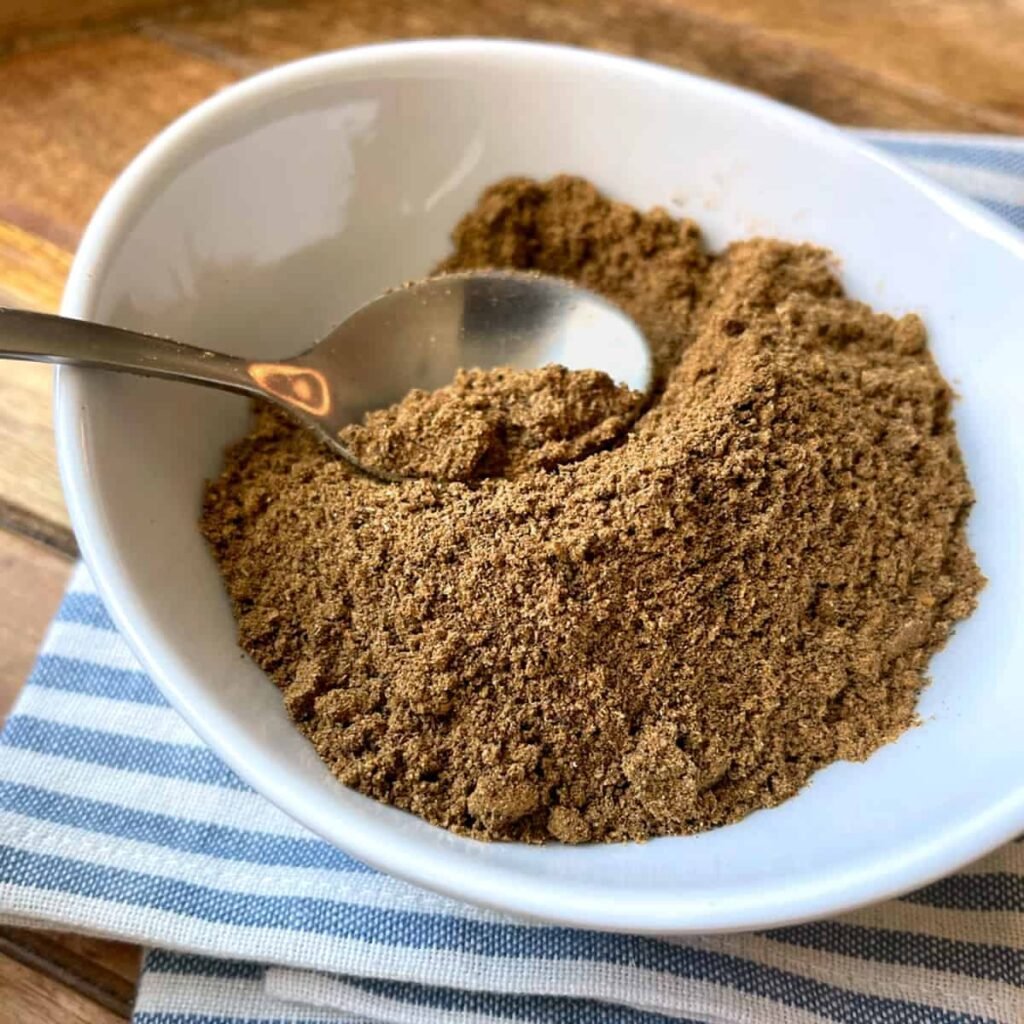
Ingredients
- 2 tbsp roasted cumin powder
- 1 tbsp coriander powder
- 1 tsp black pepper powder
- 1 tsp dried mango powder (amchur)
- ½ tsp red chilli powder
- ½ tsp black salt
- Salt, to taste
Method
- Add all the ingredients to a clean bowl.
- Mix thoroughly.
- Taste and adjust the salt or chilli according to preference.
- Transfer to a dry airtight jar.
Uses: Fruit chaat, potato dishes, salads, sandwiches, snacks and raita.
5. Homemade Chilli Powder
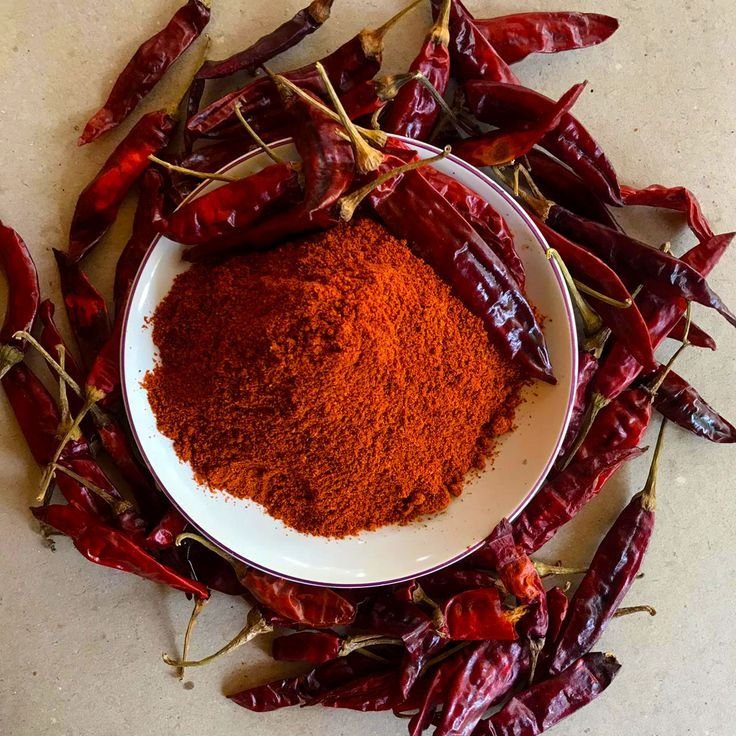
Ingredients
- 100 g dried red chillies
Method
- Remove the stems from the dried chillies.
- Make sure the chillies are completely dry.
- Break them into smaller pieces.
- Grind them in a clean, dry spice grinder.
- Sieve if you want a smoother powder.
- Store in an airtight jar.
Tip: For a milder powder, use a mild variety of dried chilli rather than very hot chillies.
How to Make a Homemade Spice Pantry
Once your spice powders are ready:
Roast → Cool → Grind → Label → Store
Use completely dry airtight jars and keep them in a cool, dark cabinet. Make small batches rather than making huge quantities, so the spices retain their aroma and flavor.
Pantry Idea
CUMIN • CORIANDER • TURMERIC • CHILLI • GARAM MASALA • CHAAT MASALA
Arrange the jars on a wooden shelf with a few whole spices—cinnamon, cardamom, cumin seeds and coriander seeds—around them for a warm, natural aesthetic.