

Nutrition: The Complete Guide to Eating Healthy Without Giving Up Delicious Food
When people hear the word nutrition, they often think about diets, calories, restrictions, or food that doesn’t taste very exciting. But nutrition is actually much more enjoyable and simple than that.
Nutrition is about understanding the food we eat and how it supports our body. Every meal we have gives our body different nutrients that help provide energy, support growth, repair tissues, and keep our body functioning normally.
And the best part is that healthy food doesn’t have to be boring.
A colourful bowl of fresh fruit, a warm plate of dal and rice, a vegetable sandwich, a creamy yoghurt bowl, or a homemade vegetable pasta can all be delicious while contributing valuable nutrients to our diet.
The goal isn’t to completely change the way you eat. It is about making small, realistic choices and learning to enjoy a wider variety of foods.
What Exactly Is Nutrition?
Nutrition is the way our body gets and uses nutrients from the foods and drinks we consume.
Our body needs several different nutrients, and each one has a specific job. Some provide energy, some help build and repair tissues, while others support normal body processes.
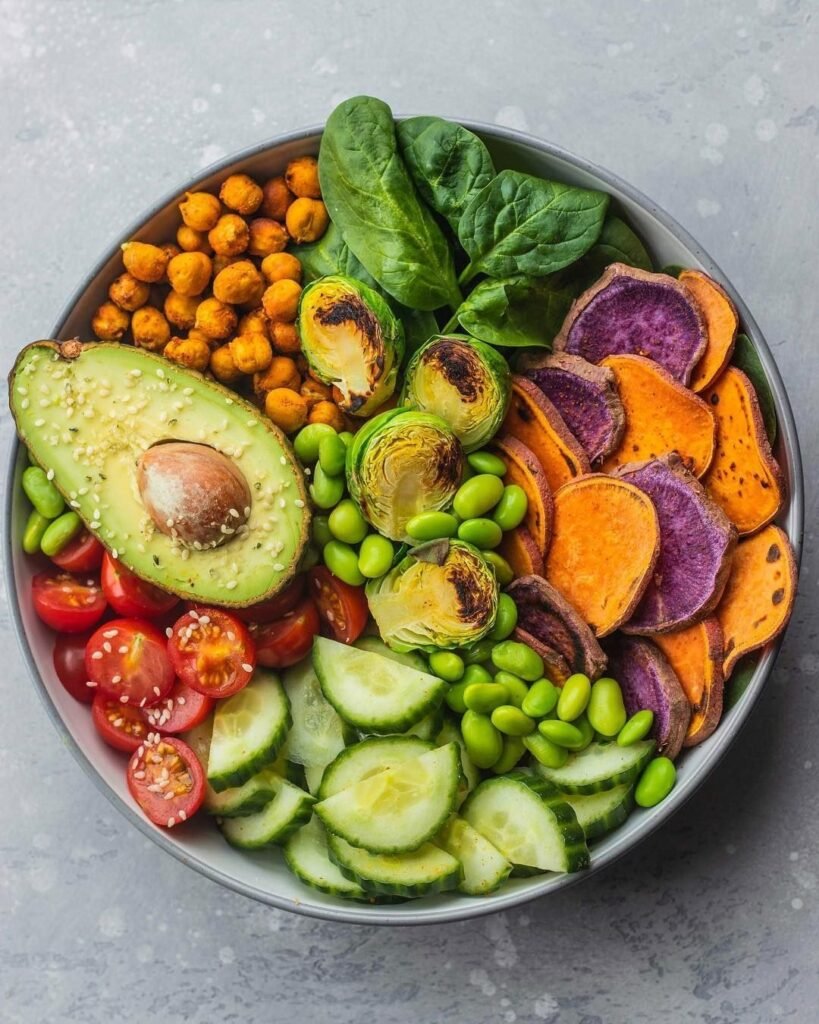
The main nutrients include:
- Carbohydrates
- Proteins
- Fats
- Vitamins
- Minerals
- Fibre
- Water
No single food contains everything our body needs in the right amounts. That’s why variety is one of the most important ideas in healthy eating.
Instead of eating the same foods every day, try including different grains, vegetables, fruits, pulses, dairy foods, nuts, and seeds throughout the week.
Why Is Nutrition Important?
Think about your body as something that works continuously throughout the day. You wake up, study or work, walk around, think, play, exercise, digest food, and perform countless other activities.
All of these processes require energy and nutrients.
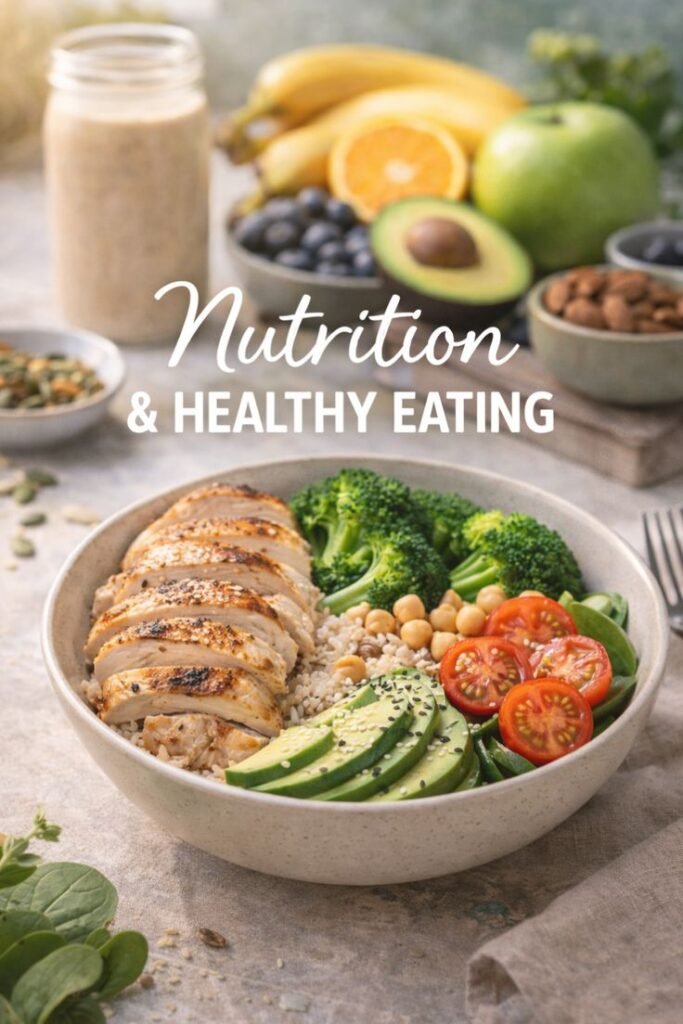
A nutritious eating pattern helps provide the body with the nutrients it needs for normal growth, development, energy production, and everyday functions.
Nutrition is particularly important during periods of growth and development because the body needs adequate nutrients to support these changes.
But nutrition isn’t only about physical health. Food is also connected to our everyday lifestyle. Sitting down for a homemade meal, trying a new recipe, sharing food with family, or preparing a colourful breakfast can make eating a more enjoyable experience.
Understanding the Main Nutrients
Let’s take a closer look at the nutrients our body needs and where we can find them.
1. Carbohydrates: An Important Source of Energy
Carbohydrates are one of the body’s important sources of energy. They are found in foods such as rice, wheat, oats, potatoes, fruits, and many vegetables.
Many people unnecessarily avoid carbohydrates because they associate them with unhealthy eating. But carbohydrates are a normal and useful part of a balanced diet.
The type of carbohydrate matters. Foods such as whole grains, fruits, vegetables, and legumes can provide carbohydrates along with fibre and other nutrients.
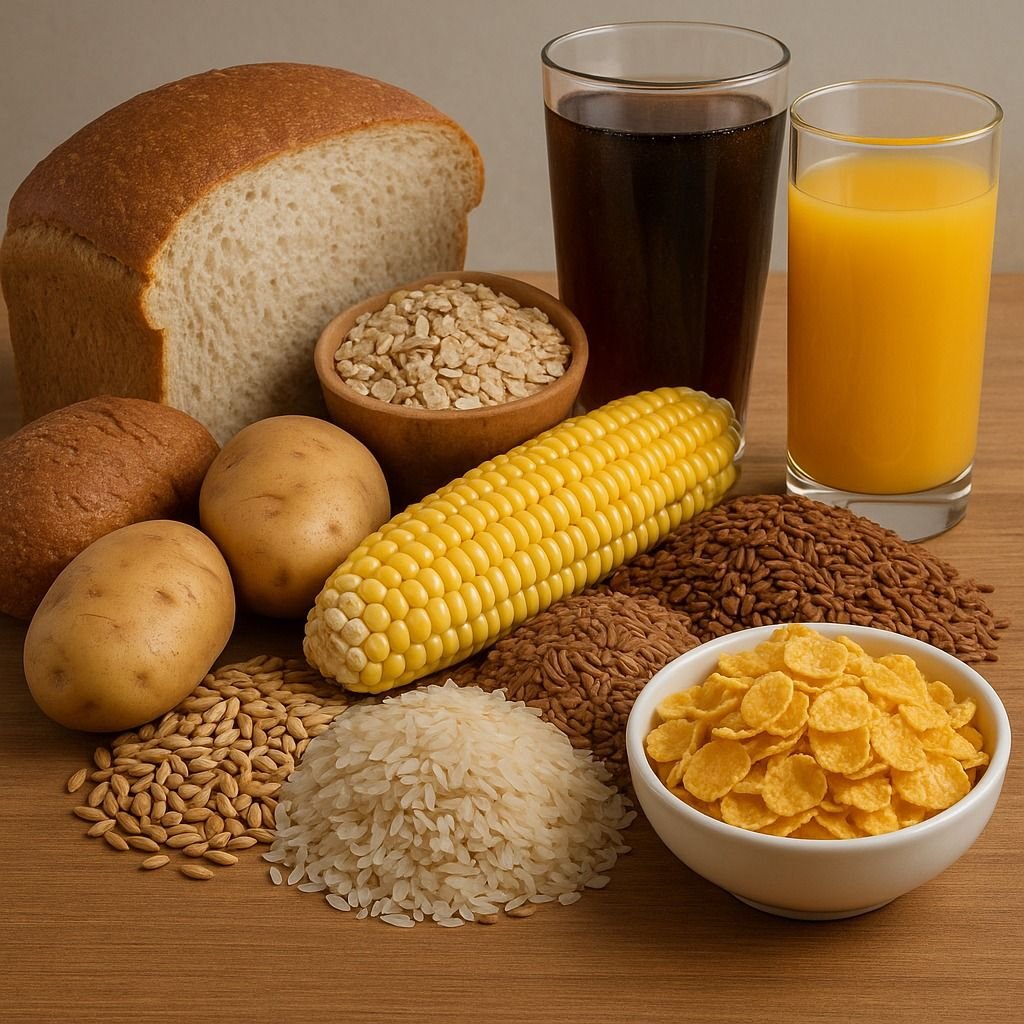
Easy ways to enjoy carbohydrates:
- Vegetable poha
- Oatmeal with fruit
- Whole-wheat roti with vegetables
- Brown rice with dal
- Homemade vegetable upma
- Whole-grain sandwiches
The key is not to fear carbohydrates but to include nutritious sources as part of varied meals.
2. Protein: The Building Block of the Body
Protein is an important nutrient that helps build and repair body tissues. It is particularly important during growth and development.
Fortunately, adding protein to your meals doesn’t have to be difficult.
For vegetarians, foods such as dal, chickpeas, rajma, beans, paneer, milk, curd, nuts, and seeds can contribute protein.
Eggs, fish, and other animal foods can also provide protein.
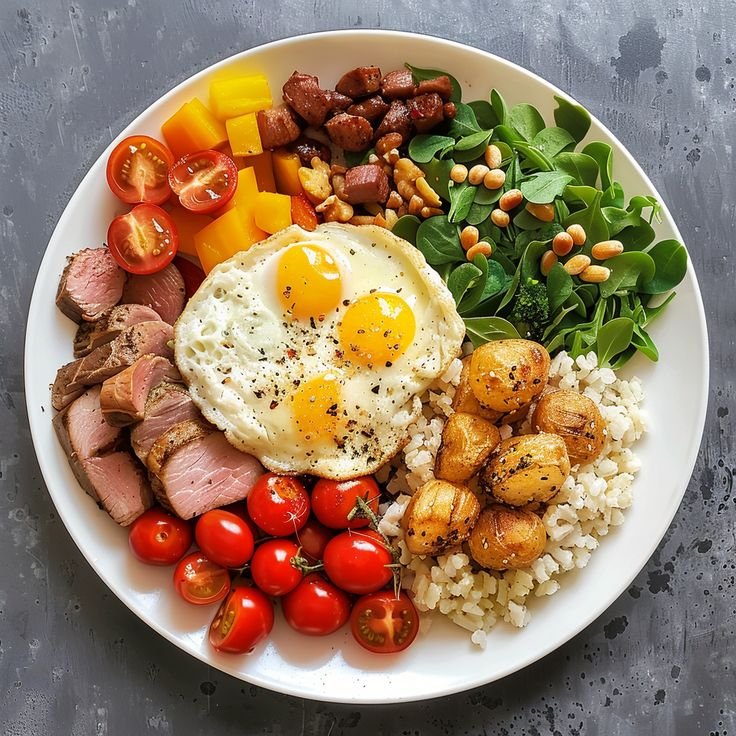
Simple protein-rich meal ideas:
- Dal with rice
- Rajma with roti
- Chickpea salad
- Paneer and vegetable wrap
- Yoghurt with fruit and seeds
- Egg and vegetable sandwich
A simple meal can become more satisfying when you combine a protein source with vegetables and grains.
3. Fats: An Important Part of a Balanced Diet
Fats often get a bad reputation, but our body needs fat too.
Dietary fats provide energy and help the body absorb certain vitamins. The important thing is to pay attention to the types and amounts of fat in your overall diet.
Foods such as nuts, seeds, avocados, and plant-based oils can provide unsaturated fats.
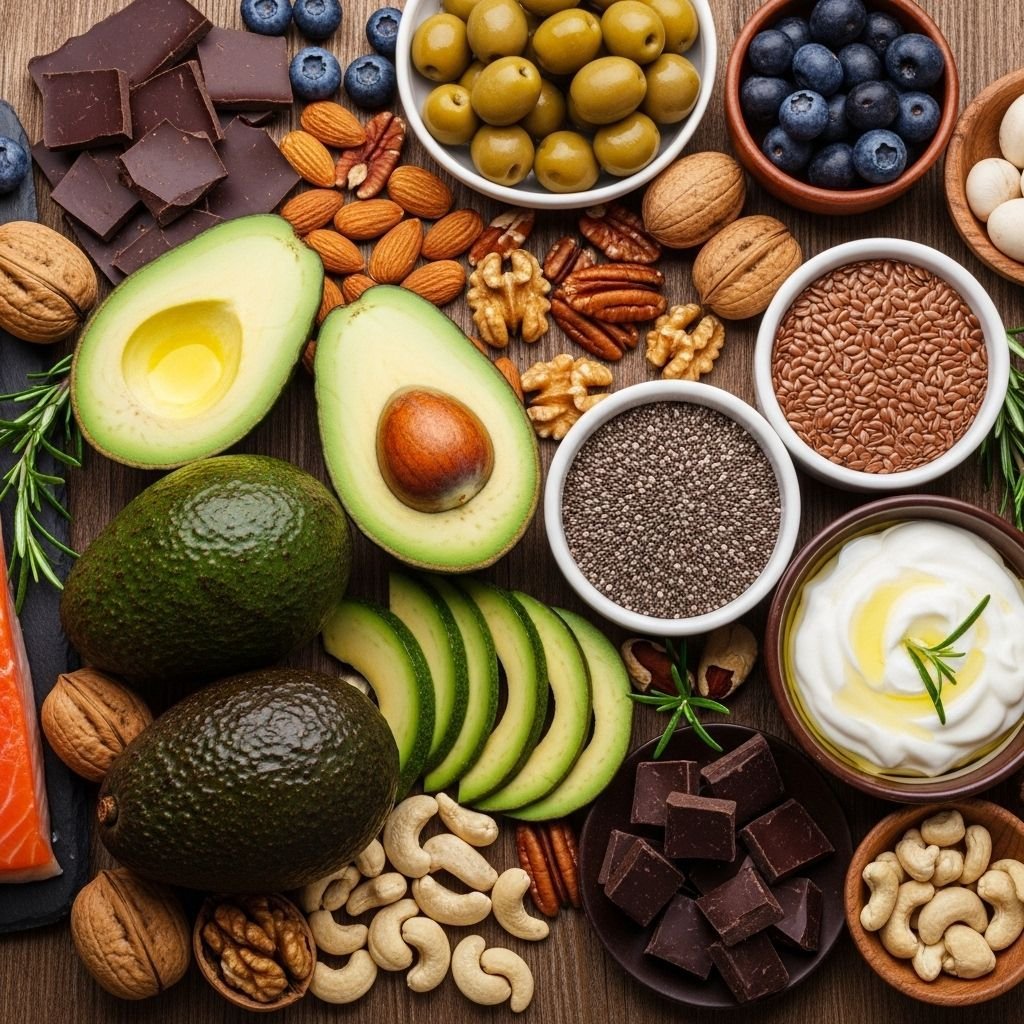
For example, you could add:
- Almonds to your breakfast
- Seeds to yoghurt
- Nuts to oatmeal
- Avocado to toast
- A small amount of plant-based oil when cooking
Healthy eating isn’t about removing an entire nutrient group. It is about creating a balanced eating pattern.
4. Vitamins: Tiny Nutrients With Important Roles
Vitamins are needed in relatively small amounts, but they play important roles in normal body functions.
Different vitamins are found in different foods, which is another reason why eating a variety of foods matters.
Fruits and vegetables are especially useful sources of many vitamins.
Instead of eating the same vegetable every day, experiment with different options.

Try spinach, carrots, tomatoes, peas, beans, capsicum, pumpkin, cauliflower, broccoli, and seasonal vegetables.
And don’t forget fruits!
Mangoes, oranges, apples, bananas, guavas, berries, papaya, watermelon, and other fruits can add natural sweetness and variety to your meals.
5. Minerals: Essential for Everyday Body Functions
Minerals are another group of nutrients that our body needs.
Different minerals have different functions. For example, calcium is important for normal bones and teeth, while iron plays an important role in the production of haemoglobin.
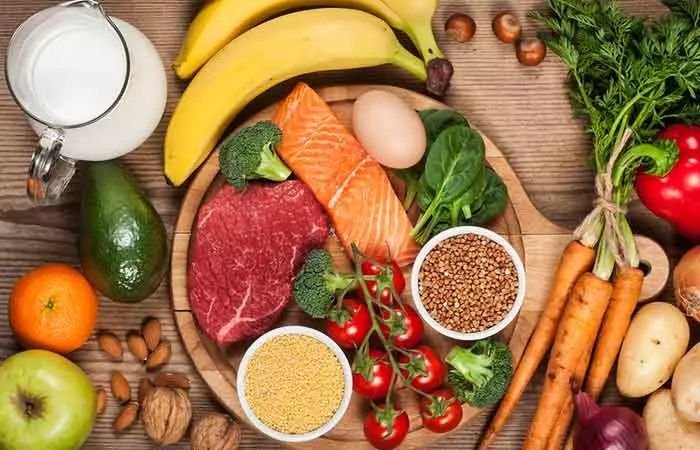
Minerals can be obtained from a variety of foods, including vegetables, fruits, pulses, dairy products, nuts, seeds, whole grains, and other foods.
This is another reason why a varied diet is so important.
6. Fibre: The Often-Forgotten Nutrient
Fibre is naturally found in plant foods and is an important part of a healthy diet.
Good sources include:
- Fruits
- Vegetables
- Whole grains
- Beans
- Lentils
- Chickpeas
- Nuts
- Seeds
Increasing fibre doesn’t require complicated recipes.
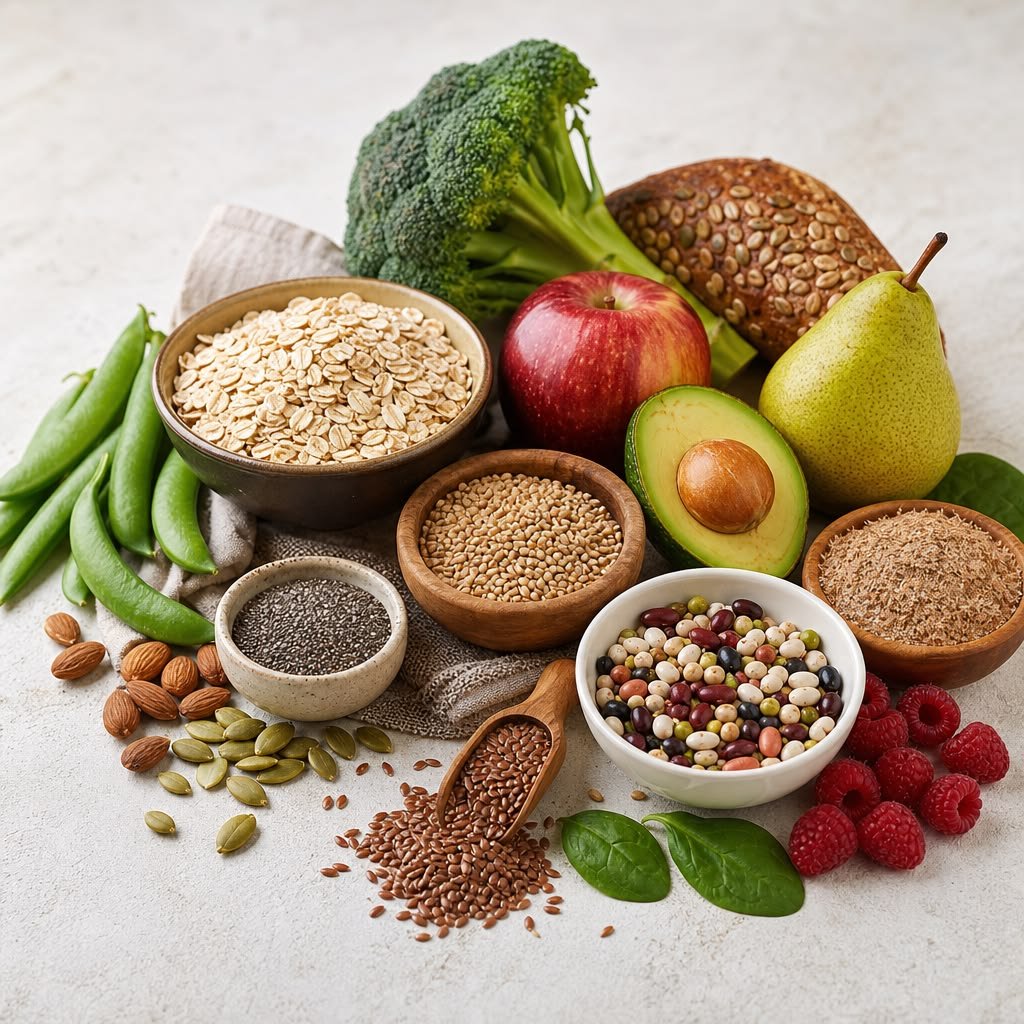
You could simply add fruit to breakfast, include vegetables with lunch and dinner, choose whole grains more often, or add beans and pulses to your meals.
7. Water: The Simplest Part of Nutrition
We often focus so much on food that we forget about water.
Water is essential for many normal body functions and helps maintain hydration.

Make water your regular drink throughout the day. If you want something refreshing, try adding lemon, mint, cucumber, or fresh fruit.
A chilled glass of lemon and mint water can be simple, refreshing, and perfect for a warm day.
How to Build a Balanced Plate
One of the easiest ways to think about healthy eating is to look at the overall variety on your plate.
Instead of asking, “Is this one food healthy?”, ask:
“Does my meal contain a good variety of foods?”
For example, a simple Indian meal could include:
Roti + dal + seasonal vegetables + salad + curd + fruit
This gives you different foods, flavours, textures, and nutrients.
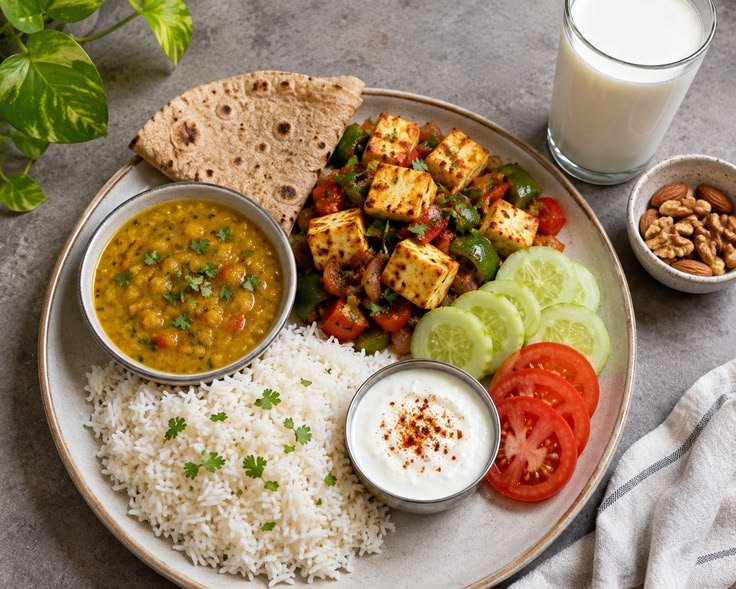
Another option could be:
Rice + rajma + vegetable salad + curd
Healthy meals don’t have to look fancy. Some of the most nourishing meals are simple homemade dishes.
Why Colour Matters on Your Plate
Have you ever noticed that a colourful plate automatically looks more appetising?
There is a good reason to enjoy variety.
Different fruits and vegetables contain different combinations of nutrients and naturally occurring plant compounds.
So instead of filling your plate with just one vegetable, try mixing colours.
For example:
🥕 Orange carrots
🥬 Green spinach
🍅 Red tomatoes
Yellow or green capsicum
🍆 Purple vegetables
🍊 Orange or yellow fruits
The result is not only visually beautiful—it also gives your meals more variety.
Healthy Eating Doesn’t Mean Giving Up Your Favourite Foods
This is probably one of the most important things to remember.
You don’t have to stop eating pizza because you want to eat healthily.
You don’t have to completely avoid desserts.
You don’t have to say goodbye to burgers, noodles, sandwiches, or your favourite snacks.
Food is meant to be enjoyed.
Instead of thinking in terms of “healthy food vs. unhealthy food,” think about your overall eating pattern.
Enjoy your favourite foods while also regularly including vegetables, fruits, whole grains, pulses, protein-rich foods, and other nutritious choices.
A healthy lifestyle should feel realistic—not like a punishment.
How Cooking Can Improve Your Relationship With Food
Cooking at home gives you an opportunity to experiment with ingredients and flavours.
You can try making:
- Homemade vegetable soup
- Fresh fruit bowls
- Vegetable sandwiches
- Paneer wraps
- Chickpea salads
- Oatmeal bowls
- Vegetable pasta
- Dal and rice
- Homemade smoothies
Cooking can also make healthy eating more interesting because you can change the flavours according to your preferences.
Try adding herbs, spices, lemon juice, ginger, garlic, mint, coriander, or other ingredients to give simple foods more flavour.
Simple Nutrition Habits for Busy Days
Healthy eating can sometimes feel difficult when you’re busy.
That’s why simple preparation can help.
Keep easy-to-use ingredients available, such as fruits, vegetables, yoghurt, oats, nuts, seeds, and pulses.
For breakfast, you could make overnight oats the night before.
For lunch, prepare some vegetables or dal in advance.
For snacks, keep fruit or nuts available instead of waiting until you’re extremely hungry and then choosing whatever is easiest.
The idea isn’t to make your entire life revolve around food. It’s simply to make nutritious choices more convenient.
Common Nutrition Mistakes to Avoid
Healthy eating doesn’t require perfection, but there are a few habits worth being mindful of.
Skipping meals regularly
Busy schedules can sometimes lead to skipped meals. Planning simple meals ahead of time can make eating regularly easier.
Eating very little variety
Eating the same foods every day may mean you’re missing out on the variety of nutrients different foods provide.
Forgetting water
When we’re busy, drinking water can easily be forgotten. Keep water nearby and drink regularly.
Depending heavily on highly processed foods
Convenience foods can be useful, but relying heavily on them may reduce the variety of nutritious foods in your diet.
Following extreme food rules
Healthy eating doesn’t need to involve extreme restrictions. A balanced approach is generally much easier to maintain.
Nutrition Is About Balance, Not Perfection
There will be days when you eat a homemade salad and days when you order your favourite food.
There will be mornings when you prepare a nutritious breakfast and mornings when you’re in a hurry.
That’s completely normal.
One meal doesn’t define your diet.
What matters is the overall pattern of your eating habits over time.
Instead of asking yourself, “Did I eat perfectly today?”, try asking:
“Did I include a variety of foods today?”
“Did I enjoy my meal?”
“Did I give my body nutritious choices?”
These questions create a much healthier and more realistic approach to food.